Author: Jeremy Simon

  • TfL Taxi Driver SERU Assessment

    TfL Taxi Driver SERU Assessment

    ???? What London Taxi Drivers Need to Know About the TfL SERU Assessment

    Starting 1 October 2025, all licensed London taxi drivers will be required to pass the Safety, Equality and Regulatory Understanding (SERU) assessment. This new requirement is part of Transport for London’s effort to align with national standards and ensure drivers are fully equipped to serve the public safely and professionally.

    ???? What Is the SERU Assessment?

    The SERU test evaluates a driver’s understanding of:

    • Taxi fares and payments
    • Equality and disability awareness
    • Safeguarding responsibilities
    • Safe driving and passenger safety
    • Licensing rules and regulations

    It’s based on the official Taxi Driver Handbook, and drivers must also complete an online safeguarding awareness course before taking the test.

    ???? Who Needs to Take It?

    • New applicants: Must pass the SERU assessment before being licensed.
    • Existing drivers: If your licence expires on or after 1 October 2025, you’ll need to pass the SERU test before renewal.

    ???? What to Expect in the SERU Test

    While the exact structure and format of the Taxi SERU assessment has not yet been officially confirmed, it is expected to closely follow the format used for the Private Hire Vehicle (PHV) SERU assessment. Transport for London may release further details closer to the rollout date, so it’s a good idea to check back for updates.

    Based on the PHV SERU format, here’s what drivers are likely to encounter:

    • Duration: Around 45 minutes
    • Format: Computer-based, with a mix of multiple-choice questions and sentence completion
    • Number of Questions: Typically 36 questions
    • Passing Score: A minimum of 60%
    • Open Book: The PHV SERU is an open book exam, allowing reference to the official handbook during the test
    • Pre-Test Briefing: Includes a short presentation and sample questions before the test begins

    These details are subject to change, so keep an eye on our posts for the latest updates.

    ???? Where Is It Held?

    Assessments take place at TfL’s Pier Walk Assessment Centre in North Greenwich, the same location used for Knowledge of London appearances.

    This move ensures that black cab drivers meet the same safety and regulatory standards as other transport professionals, while recognising the unique demands of the taxi trade. It’s not just a test—it’s a step toward a safer, more inclusive London.

    Want help preparing for the SERU or accessing the Taxi Driver Handbook? Drop us a message and we’ll point you in the right direction.

    Let me know if you’d like this styled for your WordPress theme or expanded into a longer guide!

  • TfL Taxi Driver Handbook – Latest Version Download

    TfL Taxi Driver Handbook – Latest Version Download

    This is the most up to date version of the handbook, as of today,

    [wpdts-date]

    Download handbook

    Please note that the Handbook does not contain any questions or answers.

    The Taxi Driver’s Handbook serves as a practical guide for Taxi drivers, offering invaluable assistance and is what the Tax Drivers SERU assessment is based on.

    The Handbook is subject to periodic review and may undergo alterations or amendments to align with any legal modifications or changes in TfL policies and guidance.

  • How to book TfL SERU Assessment 2025

    How to book TfL SERU Assessment 2025

    As of March 2025, TfL PHV drivers and new applicants can book their SERU and Topographical assessments online.

    To book your assessments, you will need to login to the new portal.

    You can use your existing / old TfL PHV account details to login.

    Once logged in, follow the instructions below to book your assessments.


    Click here to book

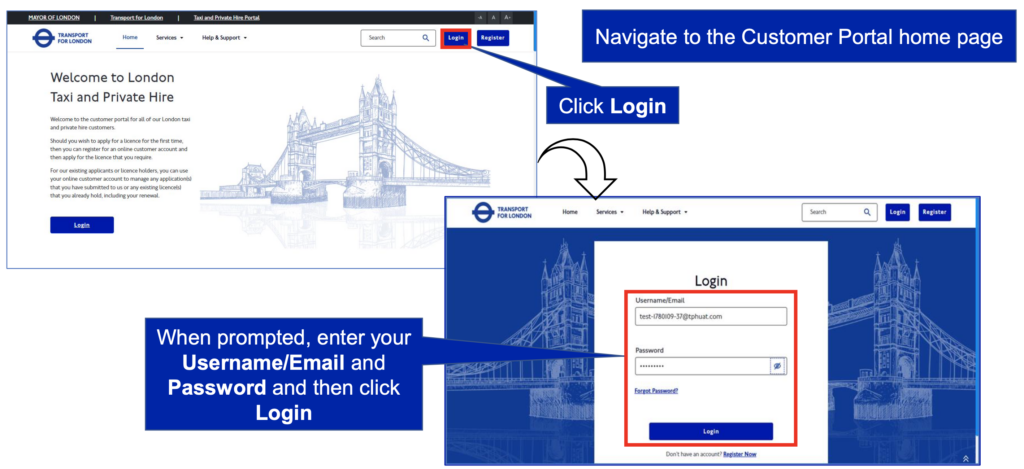
    Step 1. Login (click button on the top right)


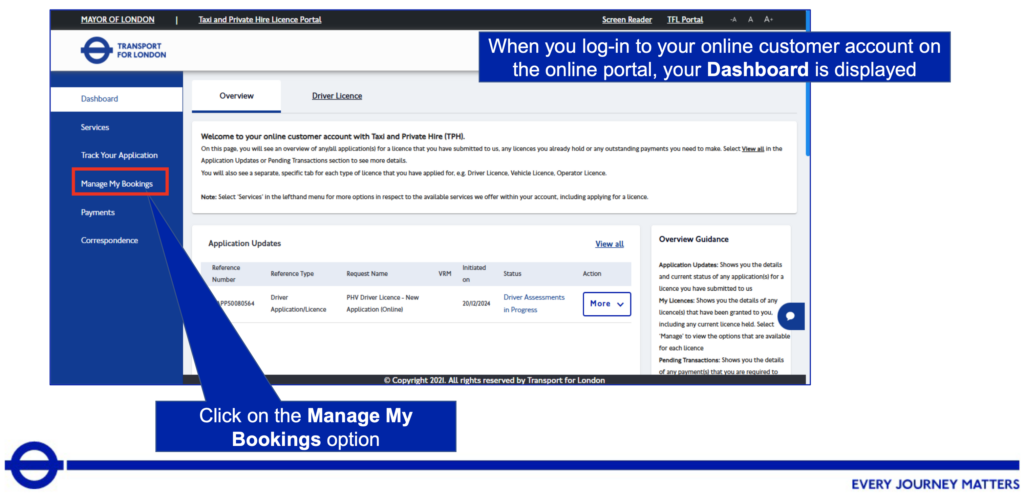
    Step 2. Select “Manage My Bookings” (from left menu)


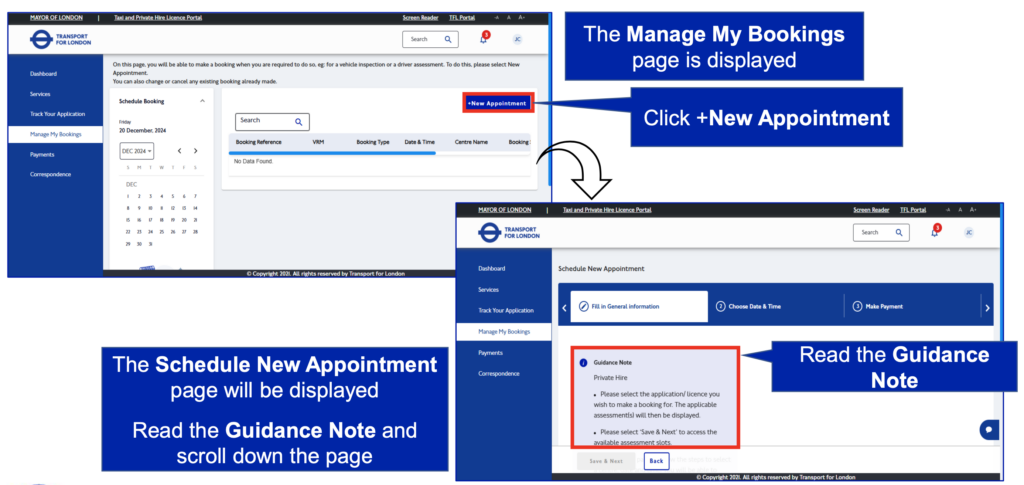
    Step 3. Click +New Appointment (button on top right)


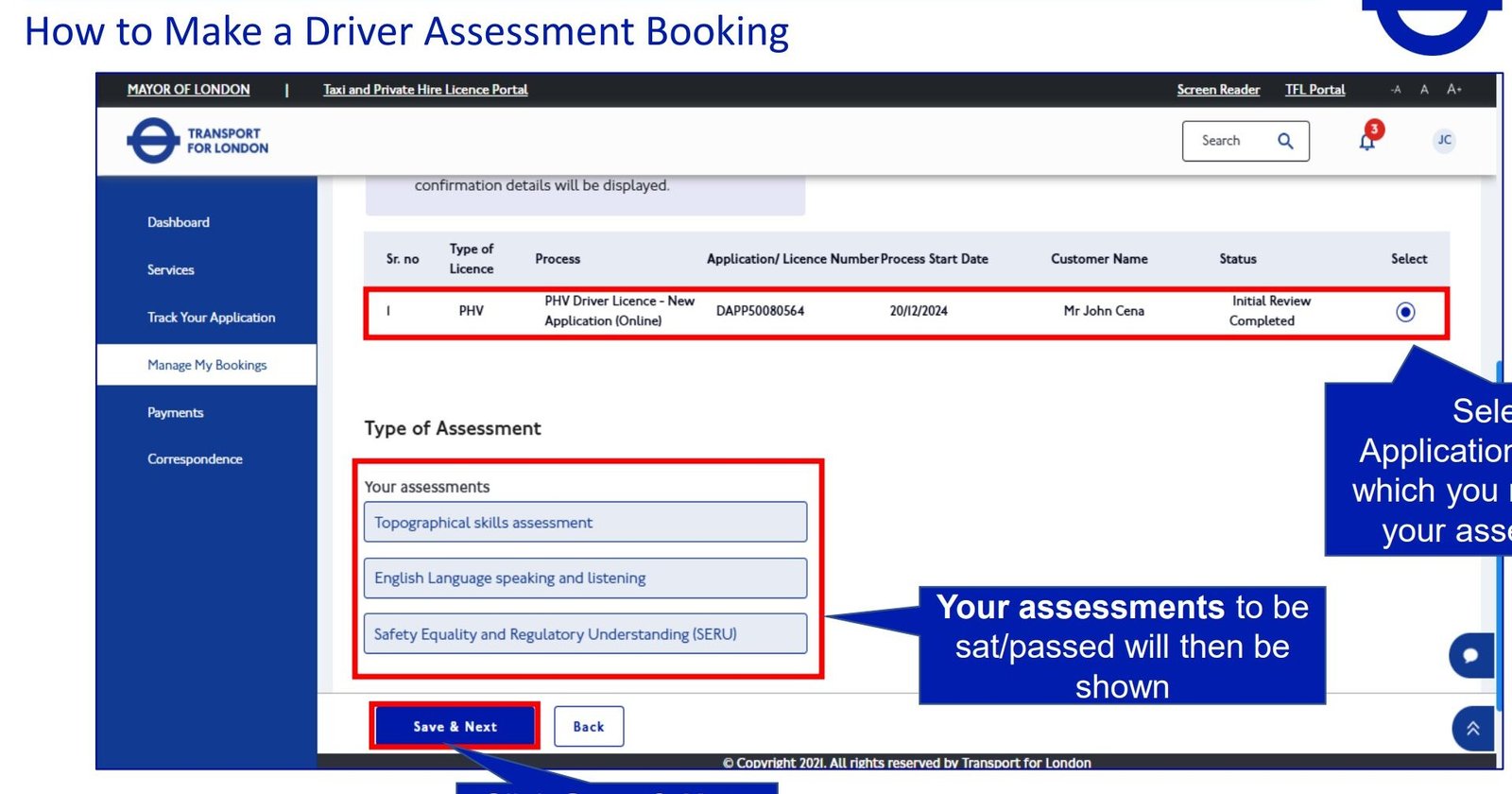
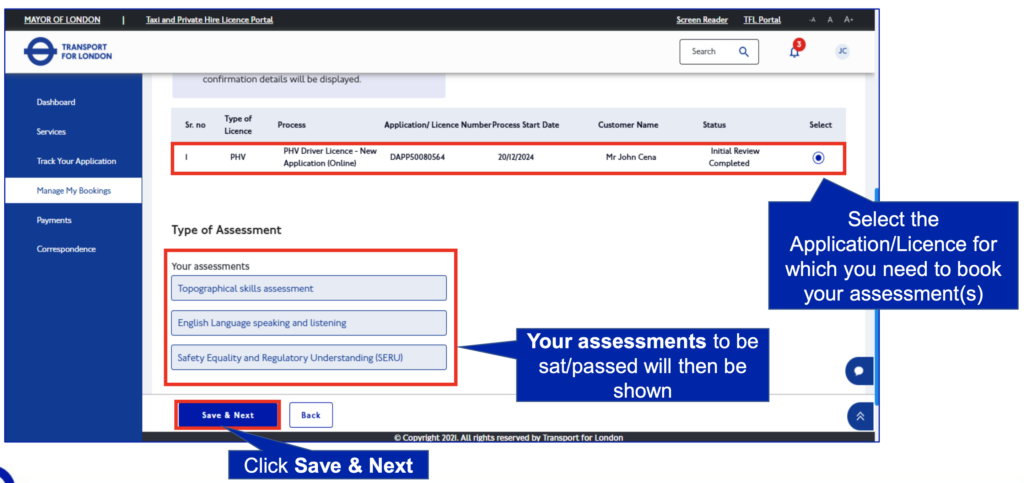
    Step 4. Make sure your application is selected. Click Save & Next.


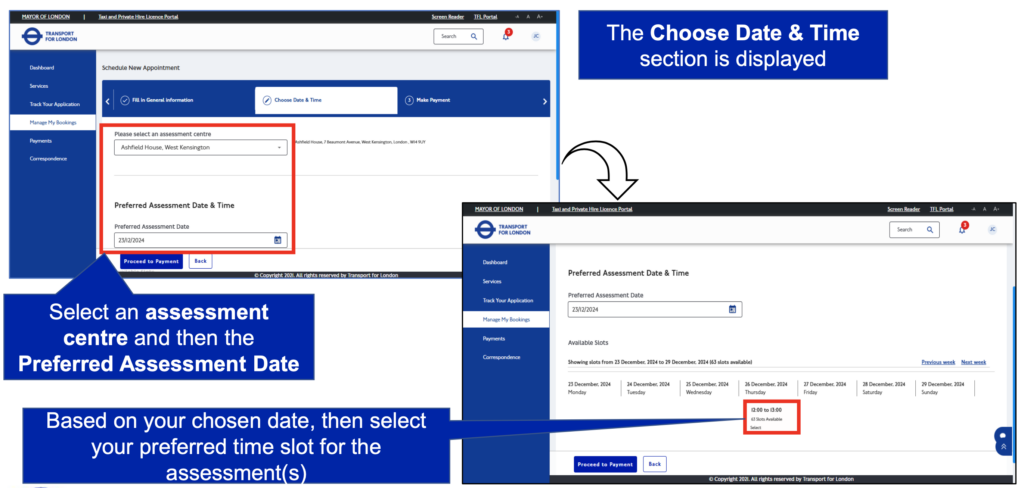
    Step 5. Select location and test dates


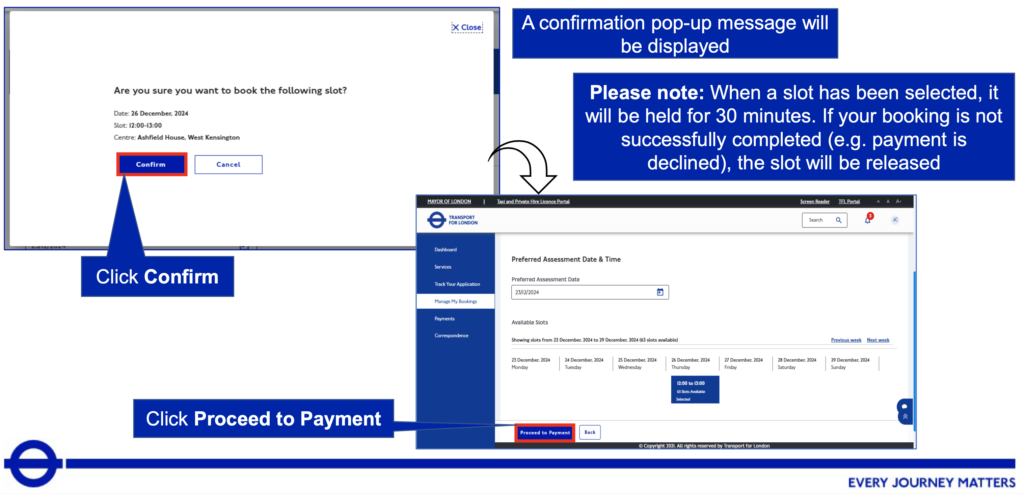
    Step 6. Confirm bookings


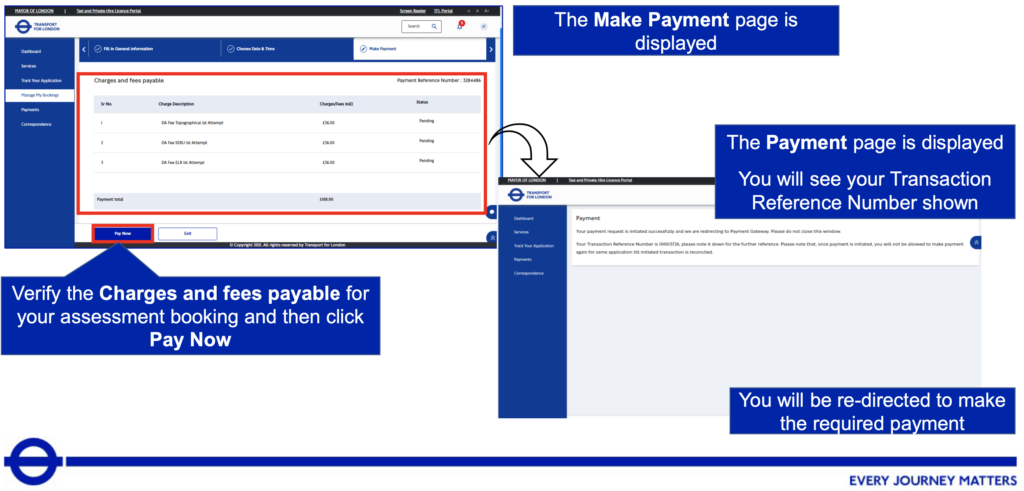
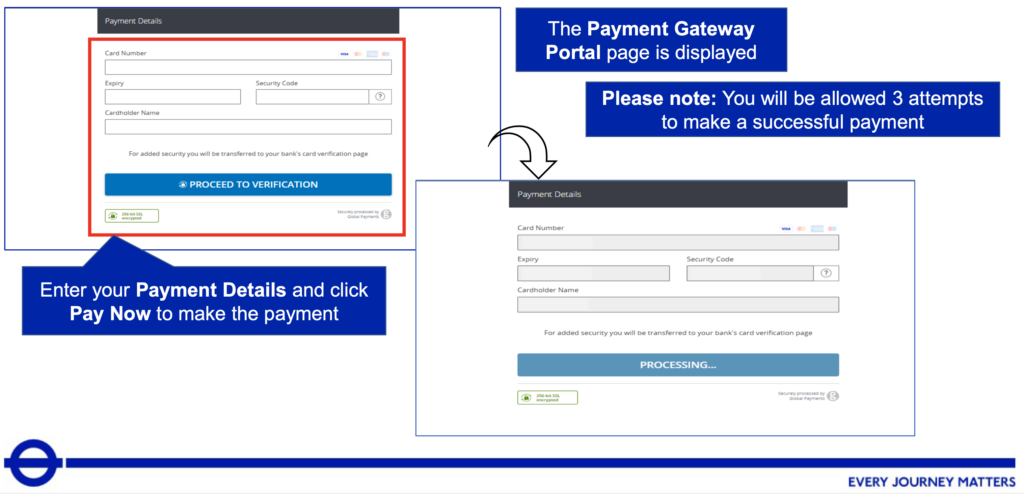
    Step 7. Click Pay Now (button bottom left)


    Step 8. Enter card details.


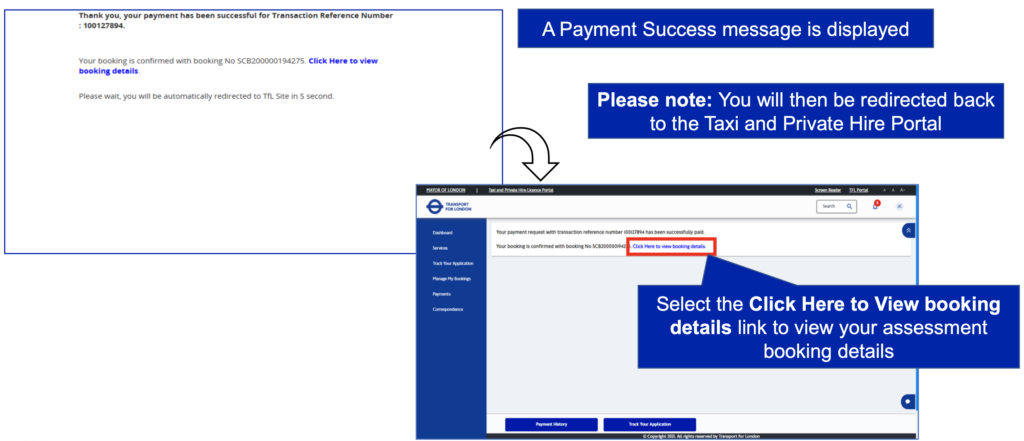
    Step 9. Booking confirmation page


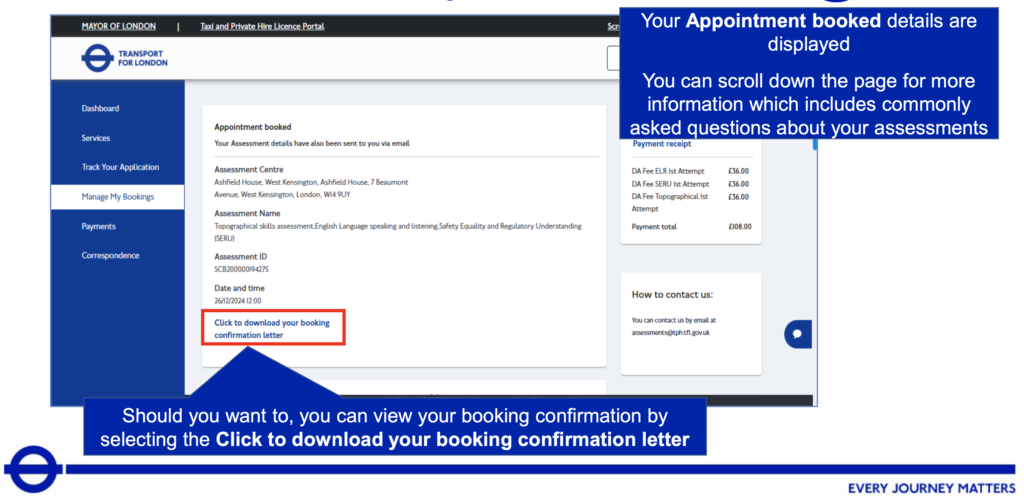
    Step 10. Download your Booking confirmation letter

    * Please note, TfL must first invite you to book your tests.

    If you cannot see the option for booking a new appointment in the portal it means:

    • your application has not been reviewed yet (new applicants)or
    • you’ve not been invited yet to book your test

    You can contact TfL driver assessments booking on 03432224444 or support@tph.tfl.gov.uk

  • Has the TfL SERU Assessment been cancelled?

    Has the TfL SERU Assessment been cancelled?

    Following from TfL’s e-mail and Sadiq Khan’s announcement, some drivers are unsure about the update.

    We have put together this summary to clarify that, according to TfL:

    0. The SERU Assessment has not been scrapped / stopped.

    1. Group 1 PHV drivers will not lose their licence no matter how many times they fail (as long as they attend).

    2. If drivers don’t respond or attend their assessments, TfL may suspend or revoke their licences.

    3. TfL is trialling a new SERU style where drivers will have the handbook with them during the test.

    4. This trial will only be for some Group 1 drivers.

    5. If the trial is successful, TfL may apply this new style to all SERU assessments (after many months).

    6. All drivers must pass still pass the SERU assessment.

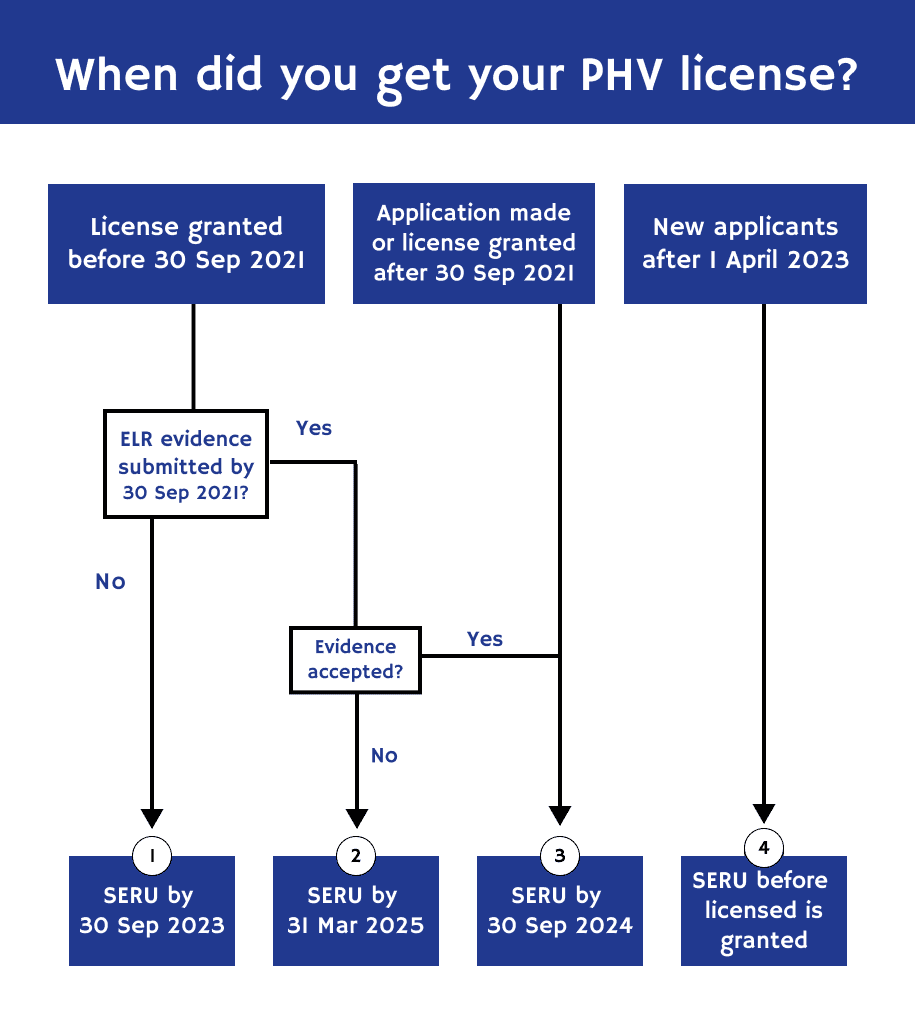
    Find out which group driver you are


    SERU-date-chart-FAQ-1.png (915×1019)

    www.serupractice.com

    020 3965 7202

    https://wa.me/+447418609836

  • Ensuring Safe Nighttime Rideshare Driving

    Ensuring Safe Nighttime Rideshare Driving

    Night-time driving is a popular choice among rideshare drivers, with a significant number opting for this time due to less congested roads. Nonetheless, driving during the night presents distinct risks compared to daytime driving. It’s crucial to be aware of these differences in order to drive safely and prevent accidents. Here are essential safety tips to keep in mind when driving for Uber at night:

    Elevate your defensive driving awareness

    Night-time accidents are statistically three times more probable due to reduced visibility and quicker response demands. Consequently, your driving acumen should be heightened by a factor of three:

    • Maintain a secure distance from other vehicles. Trailing closely is ill-advised, especially during the night. Allowing extra space safeguards against abrupt manoeuvres and bolsters visibility.
    • Moderate your speed. Occasionally, prescribed speed limits don’t align with safe driving speeds. Prioritize safety over haste by adjusting your speed when necessary.
    • Stay vigilant for pedestrians and cyclists. In the nocturnal darkness, spotting them becomes challenging. Ensure you remain attentive to the road, as their visibility is compromised.

    Avoid driving when fatigued

    In a dynamic role like Uber driving, maintaining peak focus and alertness is paramount:

    • Take regular breaks to step out of the car, stretch, and rejuvenate.
    • Engage in conversations with passengers or play lively music on the radio.
    • Adjust the indoor climate by rolling down the windows.
    • Pause for a rest or even enjoy a cup of coffee.

    Crucial: Above all, recognize when to conclude your day, return home, and obtain the necessary rest.

    While it’s possible to make up for lost hours the next day, remember that no reward justifies the hazards of driving while fatigued.

    Utilize your lights accurately

    Maintaining road safety during nightt-ime hinges on routinely inspecting all your lights: low beams, high beams, daytime running lights, turn signals, and brake lights. Ensuring these lights function properly isn’t just a legal requirement; it’s vital for your safety, your passengers’, and other road users’.

    While maintaining focus on the road is essential, refrain from gazing directly into oncoming headlights to prevent glare. Instead, direct your attention toward the left-hand side of the road and trace the white edge line to monitor your position. Should a light prove excessively dazzling, reduce your speed but avoid abrupt halts.

    Be mindful of your passenger selection:

    In the world of Uber, ratings flow both ways. When operating during night-time, be attentive to passenger ratings, and exercise caution before accepting a ride:

    • Ratings between 1 and 3 might signal potential concerns. Trust your instincts; if anything feels amiss, opt not to accept the ride.
    • If you sense insecurity upon reaching the pick-up spot, don’t hesitate to cancel the ride. Even if the passenger’s profile appeared unremarkable, you could encounter individuals who are intoxicated, impolite, or overly intrusive. In such cases, cancel the ride, secure your car doors, and relocate to a safer location.
    • Stay alert for passengers with obscured profiles. Unlike Uber drivers, riders can create accounts using pseudonyms, bogus emails, and blank avatars, enabling them to engage in problematic behaviour without easy identification.

    If you detect anything suspicious within a passenger’s profile, cancel the ride and await an app-verified rider. By adhering to these precautions, you contribute to a safer experience for both yourself and your passengers.

    Establish boundaries and guidelines:

    Setting explicit boundaries with your passengers from the moment they enter your vehicle is imperative.  This can involve:

    • Requesting that they occupy the back seat and fasten their seatbelt.
    • Communicating a strict no-smoking and no-alcohol policy within your car.
    • Making it unmistakably clear that any form of abusive conduct is unacceptable during the journey.

    Numerous Uber drivers opt to incorporate a dash cam into their vehicles, enabling the real-time recording of both audio and video throughout rides. This dash cam installation can prove beneficial in various ways. It serves as a protective measure against passengers with malicious intent and can furnish evidence in cases of abuse or threatening behaviour.

  • Uber Introduces Fresh Incentives to Promote Electric Transition Among PCO Drivers


    Uber has dedicated substantial efforts over recent years to curbing its environmental impact and bolstering sustainability. With a resolute goal to achieve an emission-free fleet by 2050, the company has wholeheartedly supported its driving partners in adopting eco-friendly transportation. Initiatives such as the Uber Clean Air plan, reduced commission for Uber Green trips, and access to discounted electric vehicle (EV) charging rates exemplify their commitment.

    Yet, Uber’s commitment doesn’t halt there. Their current focal point is simplifying the adoption of green alternatives, striving to make environmentally conscious choices just as seamless as conventional ones.

    With a fervent desire to encourage an increasing number of drivers to join forces in forging a greener future, Uber is set to unveil fresh features this year. These additions are geared toward facilitating the transition to green mobility, both for drivers and passengers alike.

    Here, we delve into the upcoming features that Uber is poised to introduce, shedding light on how these enhancements will be advantageous for Uber drivers.

    Heathrow’s Eco-Friendly Zone

    At Heathrow Airport, travelers will be actively encouraged to opt for an Uber Green ride, unlocking two significant advantages:

    • Exclusive access to designated pick-up areas strategically positioned within the airport premises.
    • A generous 10% discount applied to their ride fare.

    For electric car drivers partnering with Uber, the benefits are twofold: not only do they already enjoy an additional 10% earnings boost per Uber Green trip, but the Green Curb initiative further elevates their competitive edge. This enhancement, by streamlining pick-up procedures, is projected to trigger a surge in Uber Green ride requests from passengers.

    Moreover, Uber commits to facilitating electric vehicle drivers’ access to fast chargers within the airport’s parking zone, offering them convenience and the prospect of discounted or even complimentary charging services. It’s worth noting that the Green Curb feature is currently exclusive to Heathrow Airport.

    Smart Charging Advances in the Uber App

    Addressing a key concern among drivers transitioning to electric vehicles is managing the charging process.

    To alleviate this apprehension, Uber is poised to introduce a suite of intelligent charging features to their Driver app:

    • Displaying the locations and associated costs of nearby charging stations, facilitating the selection of the most suitable one for individual needs.
    • Offering tailored recommendations for optimal charging times and locations, grounded in real-time data encompassing charging tariffs, speed, and traffic patterns. This strategic guidance empowers drivers to enhance their earnings by avoiding peak demand hours for charging.
    • The Battery-Aware Matching feature introduces a refined trip filtering system. It takes into account the current battery level of the vehicle to ensure that trip requests align with the car’s range. The aim is to circumvent undertaking trips exceeding the available range and instead prioritize those concluding near charging stations to enable convenient refueling of the electric vehicle.

    Sustainable Routes in Focus

    Uber is preparing to introduce changes to its navigation system. Presently, the Uber app opts for the quickest route, factoring in time and distance for each trip.

    Incorporating this fresh update, the app will also consider energy consumption for every route. It will propose the most fuel-efficient path, all while maintaining the trip’s duration and fare. Variables such as elevation changes and frequency of stops at red lights will be taken into account to determine the optimal route.

    Already operational in North America since last year, this update played a significant role in assisting Uber drivers to circumvent emitting 9,800 metric tons of CO2 or consuming 4.2 million liters of gasoline in just a few months.

    Emission Savings for Riders

    A novel feature named “Emission Savings,” found on the Account page, is set to exhibit the quantity of carbon emissions averted through the choice of Uber Green. This new feature could serve as a motivation for more riders to opt for Uber Green rides, enabling them to perceive their contribution to a cleaner environment.

    Delivery Commitment and Eco-Conscious Packaging for Uber Eats

    Recognizing that numerous Uber drivers also engage in Uber Eats deliveries to augment their earnings, understanding forthcoming changes for Uber Eats is crucial.

    Uber’s sustainability endeavors extend to encompass their delivery segment. Their aspiration entails eliminating emissions from all Uber Eats deliveries by 2040 and eradicating all unnecessary plastic waste from deliveries by 2030.

    Initiating the quest to reduce unwarranted packaging waste in 2020, Uber rendered single-use cutlery optional for Uber Eats. This commitment advances through the introduction of the Green packaging feature, which aids customers in locating restaurants that employ recyclable, reusable, or compostable packaging.

    Empowering EV Adoption

    Uber’s intent to make electric vehicles (EVs) more accessible and economical for drivers prompted the establishment of the Clean Air Fund. This initiative enabled drivers to accumulate funds named Uber EV Assistance.

    Presently, in collaboration with Splend, Uber introduces the exclusive EV Boost offer. Through EV Boost, Splend doubles the assistance amount, facilitating Uber drivers in utilizing it toward acquiring a brand-new EV. No limitations, no conditions, just a straightforward opportunity.

  • Medical Conditions Need to Disclose to DVLA

    Medical Conditions Need to Disclose to DVLA

    If possessing a driving license and encountering a medical condition, disability, or a previously declared condition that has worsened since obtaining the license, it is necessary to disclose this information to the DVLA.

    CRUCIAL: Drivers failing to reveal a condition that could potentially impair their safe driving abilities to the DVLA expose themselves to fines reaching £1,000, potential license suspension, or legal action in the event of an accident.

    Presented here is a comprehensive guide to understanding the process of disclosing medical conditions to the DVLA.

    Table of Contents:

    • Which medical conditions might disqualify you from driving?
    • Which medical conditions declared to DVLA?
    • Can I inform DVLA of a medical condition online?
    • What medical conditions do I need to tell car Insurace?

    Which medical conditions might disqualify you from driving?

    If any of the following apply, you must relinquish your license to the DVLA:

    • Your doctor advises refraining from driving for a duration exceeding three months.
    • A medical condition adversely affecting your driving capability persists for three months or more.
    • Your medical condition prevents you from meeting the stipulated driving standards.

    Once you fulfill the medical criteria for driving again, you can initiate the process of license reinstatement.

    Which Medical Conditions declared to DVLA?

    The DVLA has established a list of 118 medical conditions that drivers are required to disclose in order to avoid penalties and fines. Here is the comprehensive list organized in alphabetical order:

    • Absence seizures

    Any epileptic seizures or blackouts must be declared, leading to an immediate cessation of driving.

    • Acoustic neuroma

    Disclosure is necessary if sudden, incapacitating dizziness is experienced. Consultation with a doctor is advised for determining whether symptoms affecting driving should be reported.

    • Agoraphobia

    It’s advisable to consult a doctor to assess if agoraphobia impacts driving.

    • Alcohol problems
    • Alzheimer’s disease
    • Amyotrophic Lateral Sclerosis (ALS)
    • Amaurosis fugax

    A halt in driving for at least a month after a transient ischaemic attack (TIA) or mini-stroke is mandatory, resuming only when deemed safe by a doctor.

    • Amputations

    Any amputated limb should be declared.

    • Angiomas or cavernomas
    • Ankylosing spondylitis

    Consult a doctor to assess its impact on driving.

    • Anxiety

    Consult a doctor if anxiety affects driving capabilities.

    • Aortic aneurysm

    Declaration is necessary if the aortic aneurysm measures 6 cm or more in diameter; driving should cease if it’s 6.5 cm or more.

    • Arachnoid cyst
    • Arrhythmia

    Declare if arrhythmia results in distracting or disabling symptoms, or if control of the car is compromised.

    • Arteriovenous malformation
    • Arthritis

    Special driving controls should be declared.

    • Asperger syndrome

    Declare if the autistic spectrum condition affects driving safely.

    • Ataxia
    • ADHD

    If ADHD or related medication influences driving, it should be declared.

    • AIDS
    • Bipolar disorder (manic depression)
    • Blackouts

    Consult a doctor to evaluate their impact on driving abilities.

    • Blood clots

    Declaration is required for brain clots, but not for those in the lungs.

    • Blood pressure

    If blood pressure treatment affects driving, it should be declared.

    • Brachial plexus injury
    • Brain abscess, cyst, or encephalitis
    • Brain aneurysm
    • Brain haemorrhage
    • Traumatic brain injury
    • Brain tumour

    It might be recommended by a doctor to surrender the license.

    • Broken limbs

    If unable to drive for over three months due to a broken limb, it should be declared.

    • Brugada syndrome
    • Burr hole surgery

    If burr hole surgery was performed to remove a brain clot, it should be declared.

    • Cancer

    It’s not mandatory to inform the DVLA about having cancer, unless you experience issues related to your brain or nervous system. Additionally, if your doctor indicates that you might not be capable of driving, if you’re limited to specific vehicle types, if your vehicles are specially adapted, or if your medication results in side effects impacting your driving, then disclosure becomes necessary.

    • Cataracts

    Only if both eyes are affected should it be declared.

    • Cataplexy
    • Central venous thrombosis

    If problems persist a month after central venous thrombosis, declaration is required.

    • Cerebral palsy
    • Charcot-Marie-Tooth disease (CMT)
    • Cognitive problems
    • Congenital heart disease
    • Fits, seizures, or convulsions
    • Déjà vu

    Seizures causing déjà vu should be declared.

    • Defibrillators

    An implanted defibrillator (ICD) should be declared.

    • Dementia
    • Depression

    If depression impacts driving, it should be declared.

    • Diabetes

    It’s necessary to notify if your insulin treatment spans more than three months, if you had gestational diabetes with insulin treatment persisting beyond three months post-birth, if you experience incapacitating hypoglycemia, or if a medical expert cautions about the risk of developing it.

    • Diplopia (double vision)
    • Dizziness or vertigo

    Sudden, disabling, or recurrent dizziness requires declaration.

    • Drug use

    Illegal drugs or prescription drug misuse should be declared.

    • Eating disorder

    If it affects driving, it should be declared.

    • Empyema (brain)
    • Essential tremor

    If essential tremor affects driving, it should be declared.

    • Eye conditions

    If both eyes are affected, it should be declared.

    • Guillain Barré syndrome
    • Serious head injuries
    • Heart attacks

    Not necessary to declare if heart attack occurred, unless certain conditions apply.

    • Heart failure

    If symptoms impact driving, it should be declared.

    • Heart palpitations
    • Hemianopia
    • Hodgkin’s lymphoma

    Certain conditions necessitate declaration.

    • Huntington’s disease
    • Hydrocephalus

    Declaration required if symptoms are present.

    • Hypoglycaemia
    • Hypoxic brain damage
    • Intracerebral haemorrhage

    If problems persist a month after this type of haemorrhage, it should be declared.

    • Korsakoff’s syndrome
    • Labyrinthitis

    If symptoms last for three months or more, it should be declared.

    • Learning disabilities

    Only learning disabilities, not difficulties like dyslexia, need to be declared.

    • Lewy body dementia
    • Limb disability
    • Long QT syndrome
    • Lung cancer

    Notification is required if any of the subsequent circumstances arise: issues emerge related to your brain or nervous system, your doctor suggests you might not meet driving fitness standards, limitations pertain to particular vehicle types or adaptations, or your medication induces side effects impacting your driving ability.

    • Lymphoma

    Declaration is essential if any of these circumstances materialize: complications emerge concerning your brain or nervous system, your doctor expresses reservations about your driving suitability, driving is confined to specifically adapted or distinct vehicle types, or medication induces side effects potentially jeopardizing your driving safety.

    • Marfan’s syndrome
    • Medulloblastoma
    • Meningioma

    If it affects driving, it should be declared.

    • Motor neurone disease
    • Muscular dystrophy
    • Myasthenia gravis
    • Myoclonus
    • Narcolepsy
    • Night blindness
    • Obsessive-compulsive disorder

    If it affects driving, it should be declared.

    • Excessive sleepiness

    You must declare it if you have confirmed moderate or severe obstructive sleep apnoea syndrome, with excessive sleepiness, either narcolepsy or cataplexy, or both, or any other sleep condition that has caused excessive sleepiness for at least three months (including suspected or confirmed mild OSAS).

    You must not drive until you’re free from excessive sleepiness or your symptoms are controlled, and you’re strictly following any necessary treatment.

    • Optic atrophy
    • Pacemakers

    Fitted pacemakers should be declared.

    • Paranoid schizophrenia
    • Paraplegia
    • Parkinson’s disease
    • Peripheral neuropathy
    • Personality disorder

    If it affects driving, it should be declared.

    • Pituitary tumour
    • Post-traumatic stress disorder (PTSD)

    Consult a doctor about its effect on driving.

    • Psychosis
    • Psychotic depression
    • Pulmonary arterial hypertension

    Declare if receiving treatment from an NHS specialist centre.

    • Severe memory problems
    • Stroke

    Declaration necessary if problems persist a month after the stroke.

    • Surgery

    If an operation prevents driving three months later, it should be declared.

    • Syncope

    If blackouts, fainting, or loss of consciousness are experienced, it should be declared.

    • Sleep apnoea

    Certain sleep disorders, including confirmed moderate or severe obstructive sleep apnoea syndrome, should be declared. Medication causing excessive sleepiness for three months should also be reported.

    • Schizo-affective disorder
    • Schizophrenia
    • Scotoma
    • Severe communication disorders

    If it affects driving, it should be declared.

    • Spinal conditions, injuries, or spinal surgery
    • Subarachnoid haemorrhage
    • Tachycardia
    • Tourette’s syndrome

    If it affects driving, it should be declared.

    • Tunnel vision
    • Usher syndrome
    • Reduced visual activity
    • Vertigo

    Sudden, disabling, or recurrent dizziness should be declared.

    • Visual field defect
    • VP shunts

    Fitted VP shunts should be declared.

    • Wolff-Parkinson-White syndrome

    Can I inform DVLA of a medical condition online?

    If you have a driving licence you can use DVLA’s online service to check if your condition needs to be reported. After that, you’ll be told how to report your condition. Depending on the condition you have, you will either fill out a form online or printing and send it.

    Afterwards, you might be subject to a new driving licence, a limited-time one, or you might need to fit your car with special control to accommodate your condition, depending on the seriousness of your medical condition.

    What medical conditions do I need to tell car insurance?

    Depending on the insurer, you may or may not need to tell your insurance provider about your medical condition. Make sure to check this before taking out a policy.
  • Using Mobile Phones While Driving in UK

    Using Mobile Phones While Driving in UK

    Engaging in distractions while driving poses a danger equivalent to driving under the influence, leading to a significant number of preventable accidents each year.

    Fun fact: Did you realize that the likelihood of causing an accident increases fourfold when using a handheld mobile device?

    This is precisely why UK legislation strictly forbids the use of handheld devices while driving, with the exception of making a 999 emergency call. Let’s delve into the regulations and repercussions related to manipulating your phone while driving, allowing us to gain a comprehensive understanding of permissible and prohibited actions.

    Table of Contents:

    • What’s the Ruling on Mobile Phone Usage in Vehicles?
    • Is Phone Usage Permissible When the Vehicle is Stationary?
    • Can I Utilize My Phone for Payment at Gas Stations or Drive-Throughs?
    • Hands-Free Phone Usage: Is it Allowed While Driving?
    • Is Interacting with a Phone in a Cradle While Driving Acceptable?
    • Mobile Phone Use for Uber Drivers: What’s the Verdict?
    • How is Phone Usage while Driving Detected?
    • What are the repercussions for using a mobile phone while operating a vehicle?
    • Can You Face Driving Bans Due to Mobile Phone Usage?

    What’s the Ruling on Mobile Phone Usage in Vehicles?

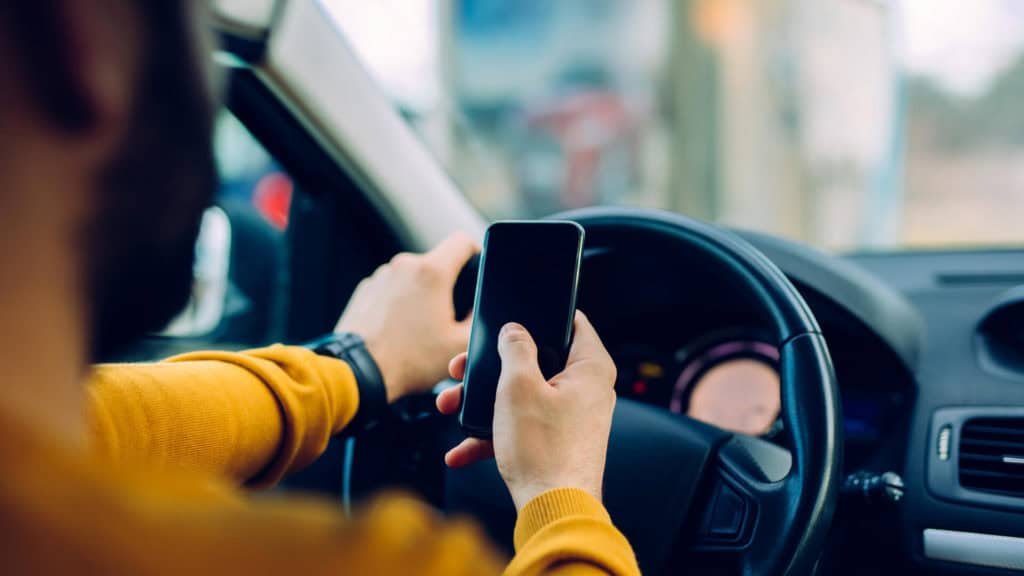
    Starting from 2022, it is unlawful to hold or manipulate a mobile phone or any electronic device capable of transmitting or receiving data while driving. This prohibition encompasses all forms of device engagement using your hands, regardless of whether you’re online, offline, or in flight mode.

    VITAL: You are permitted to employ your phone to dial 999 or 112 in cases of emergency when halting is unsafe or unfeasible.

    The inaugural legislation that prohibited mobile phone use during driving was implemented in 2003, targeting exclusively the use of handheld devices for interactive communication such as calling, texting, or accessing the internet.

    This legislation underwent a modification in 2022 to keep pace with the advancements in mobile phone technology, rendering the use of handheld devices while driving illegal under any circumstances.

    Is Phone Usage Permissible When the Vehicle is Stationary?

    The permissibility hinges on the situation. Even if your car is stationary due to traffic congestion, a red traffic signal, or being in a queue, using your phone remains prohibited. However, you are allowed to use your phone if you are safely parked or using your device to park your car remotely.

    Can I Utilize My Phone for Payment at Gas Stations or Drive-Throughs?

    Indeed, you can. When you are at a gas station or navigating through a fast-food drive-through, your vehicle is stationary, substantially minimizing the risk of accidents or harm. Consequently, using your phone for payment in these scenarios is permissible.

    Hands-Free Phone Usage: Is it Allowed While Driving?

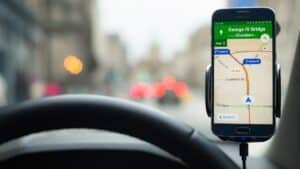
    Certainly, provided your phone is affixed to a car phone holder. Additionally, you have the option to employ a Bluetooth headset or utilize the integrated technology within your car, such as satellite navigation, voice commands, Android Auto, and Apple CarPlay.

    Is Interacting with a Phone in a Cradle While Driving Acceptable?

    Absolutely, you can. If your phone is securely fixed to your windshield, dashboard, or air vent through a cradle, using it in this manner is permissible. However, it’s crucial to note that you must refrain from physically holding the phone while driving. CRUCIAL: Keep in mind that if your hands-free setup obstructs your view of the road and the traffic ahead, you might incur penalty points.

    Mobile Phone Use for Uber Drivers: What’s the Verdict?

    Uber drivers do not have any special legal exemptions regarding phone usage. Similar to other drivers, they can operate their phones with hands-free methods. A majority of Uber drivers make use of car phone holders, Bluetooth headsets, or the vehicle’s voice command system to manage the Uber app, initiate phone calls, or utilize satellite navigation. It’s important to note that standard regulations apply to Uber drivers when it comes to mobile phone use while driving.

    How is Phone Usage while Driving Detected?

    Cutting-edge camera technology placed on the road can detect instances where drivers are holding mobile phones, even when viewed through the windshield from an overhead angle. Human operators subsequently verify these instances. During a six-month trial initiative in 2021, these cameras documented approximately 15,000 drivers engaging with their mobile phones while driving. It’s highly probable that this technology will soon be implemented nationwide.

    What are the repercussions for using a mobile phone while operating a vehicle?

    Utilizing a device while driving results in a penalty of six points on your driving record and a fine of £200. If you obtained your driver’s license within the past two years, it could also lead to license revocation. Furthermore, if your device usage impedes your clear view of the road and traffic or hinders proper vehicle control, you can incur three penalty points on your record.

    Can You Face Driving Bans Due to Mobile Phone Usage?

    Yes, it is. If you are caught using a device while driving on two separate occasions, you will accumulate a total of 12 penalty points on your driving record. This accumulation of points results in a minimum disqualification from driving for six months.
    In more serious cases where your mobile device usage leads to a significant collision, you can face legal action. This might involve being taken to court, potentially resulting in a driving ban and a fine of up to £1,000.

  • Everything About PCO Vehicle Inspection 2023

    Everything About PCO Vehicle Inspection 2023

    Before enrolling to become a driver for Uber or any other rideshare platform, it’s crucial to possess the appropriate licensing documentation. This entails fulfilling the PCO license prerequisites as a driver and also adhering to the PHV license prerequisites for your vehicle.

    As a part of the vehicle licensing process, it’s essential to ensure that your vehicle aligns with the standards set by TfL. Given that TfL is the governing body responsible for granting the PHV license required to operate your vehicle with Uber, it’s imperative to comply with both TfL stipulations and Uber’s vehicle criteria.

    Nevertheless, it’s important to note that not all vehicle models are endorsed by Uber. Depending on your specific location and the range of Uber services accessible, Uber maintains an extensive catalog of cars that have been approved by the platform.

    Browse through the list of eligible vehicles for Uber services in London.

    Pro Tip: To circumvent the complexities of dealing with car documentation, consider opting for our PCO car hire plan, which provides a hassle-free solution along with ready-to-use electric vehicles (EVs).

    Table of Contents:

    • What Constitutes a PCO Vehicle Inspection?
    • What Are the Vehicle Requirements Outlined by TfL for PCO?
    • How Can I Register for a PCO Vehicle Inspection?
    • Which Documents Are Essential for the PCO Vehicle Inspection?
    • How Frequently Is the PCO Vehicle Inspection Mandatory?
    • What Are the Consequences of Failing the PCO Vehicle Inspection?

    What Constitutes a PCO Vehicle Inspection?

    The PCO vehicle inspection stands as an obligatory step to acquire your PCO vehicle license. It necessitates your car’s successful completion of a Vehicle Inspection Report (VIR) to guarantee its adherence to all safety prerequisites pertinent to on-demand transportation.

    Moreover, if you’re employing your vehicle for passenger transport, it’s essential to renew your license annually. The cost for the TfL Private Hire car inspection is approximately £140.

    What Are the Vehicle Requirements Outlined by TfL for PCO?

    Starting from 1 January 2023, newly licensed Private Hire Vehicles (PHVs) are subject to updated emission criteria:

    • The vehicle’s age must not exceed ten years, or it should be a more recent model.
    • All PHVs must possess zero-emission capability (ZEC) and adhere to the Euro 6 emissions standard upon initial licensing.

    PHVs that are entirely electric or incorporate a hydrogen fuel cell are in line with the new licensing prerequisites.

    How Can I Register for a PCO Vehicle Inspection?

    The most convenient and expeditious approach is to schedule an inspection online via the TfL (Transport for London) website. This enables you to select a suitable date, time, and location, with the flexibility to modify or cancel your appointment if required. Alternatively, you can secure an inspection by dialing 0343 222 5555.

    Book an Inspection for Your Vehicle via TfL

    DID YOU KNOW? If you’re a Splend customer, we handle all the details, including the Private Hire Vehicle license inspection every six months, right at our London Hub.

    Inspection Centers in London:

    • Central West Site
    • Address: Unit 2 Aquarius Business Park, Staples corner, Priestly Way, NW2 7AN
    • South East Site
    • Address: Unit 13 & 14, Klinger Industrial Park, Edgington Way, Sidcup, DA14 5AF
    • North Site
    • Address: Unit 2, Watermill Business Centre, Edison Road, Enfield, London, EN3 7XF
    • West Site
    • Address: 20A Airlinks Industrial Estate, Spitfire Way, Heston, TW5 9NR
    • Central East Site
    • Address: Unit 10 Segro Park, Rainham, RM13 8HY

    For appointments outside London, your vehicle must undergo inspection and licensing by the local council.

    Locate and Get in Touch with Your Local Council

    IMPORTANT: Unless the car is registered under your name, you’ll need to receive nomination from the registered keeper to act on their behalf during the application process and when presenting the vehicle for inspection

    Which Documents Are Essential for the PCO Vehicle Inspection?

    When attending your scheduled inspection, ensure you have the following documents readily available and up-to-date:

    • Existing PHV License and Discs (for renewal cases)
    • V5c DVLA Vehicle Registration Certificate
    • Hire and Reward Insurance Documents (Refer to PHV insurance and Amazon Flex insurance for comprehensive information)
    • MOT Certificate Issued within the Last 14 Days
    • Any Pertinent Vehicle Modification Documents (if applicable)
    • Voluntary Individual Vehicle Approval – VIVA (for personal imports and left-hand drive vehicles)
    • Certificate of Conformity (if required)

    DID YOU KNOW? Every Splend vehicle holds a valid PHV license, so once your individual documents are in order, you can begin driving right away, while we take care of any associated paperwork.

    How Frequently Is the PCO Vehicle Inspection Mandatory?

    The PCO vehicle inspection is a requisite step for renewing your PHV license. As a result, you are required to have your car inspected each time you renew your license. In cases where you are operating outside of London, the frequency of inspections is determined by the local council. However, these councils are limited to conducting a maximum of three inspections per year.

    What Are the Consequences of Failing the PCO Vehicle Inspection?

    Ideally, aiming for a successful outcome on the first attempt is advisable to avoid incurring additional costs for a re-inspection. Preparation is key on inspection day. Ensure your vehicle fully aligns with all TfL stipulations, possess the requisite documentation, and maintains proper upkeep and servicing (absence of dents, scratches, or paint damage).

    Yet, in the event that the initial inspection is unsuccessful, you have the option to schedule a re-test. This can be done as soon as 21 days from the original inspection date or at a later point, depending on the extent of repairs required.

  • Clear Guide to the ULEZ Expansion in 2023

    Clear Guide to the ULEZ Expansion in 2023

    Air pollution adversely affects numerous London residents annually, and vehicle tailpipe emissions stand as a major contributor to this concerning air quality. While authorities have made substantial efforts to mitigate emissions and enhance air quality, additional measures are being introduced due to the persistence of air pollution.

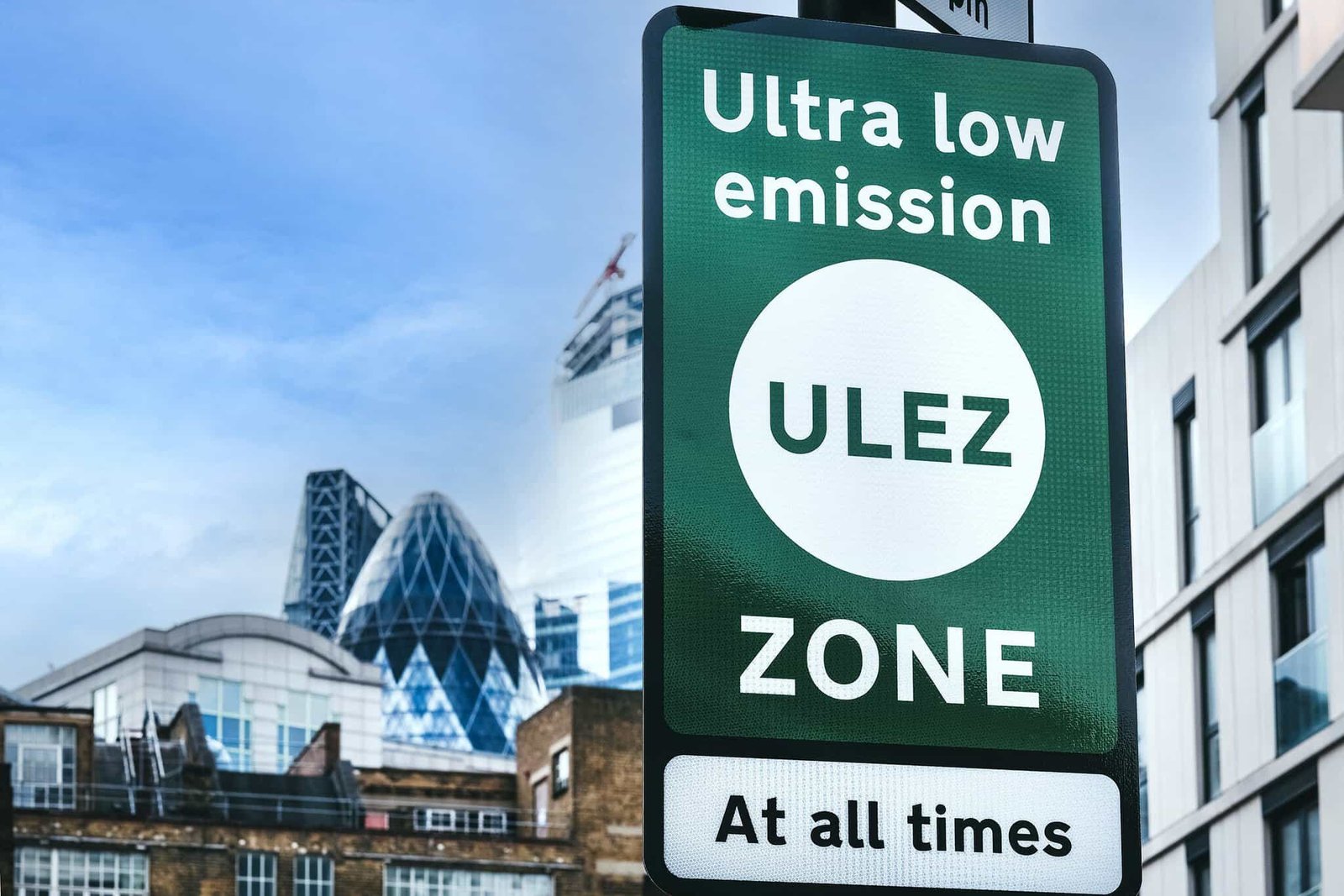
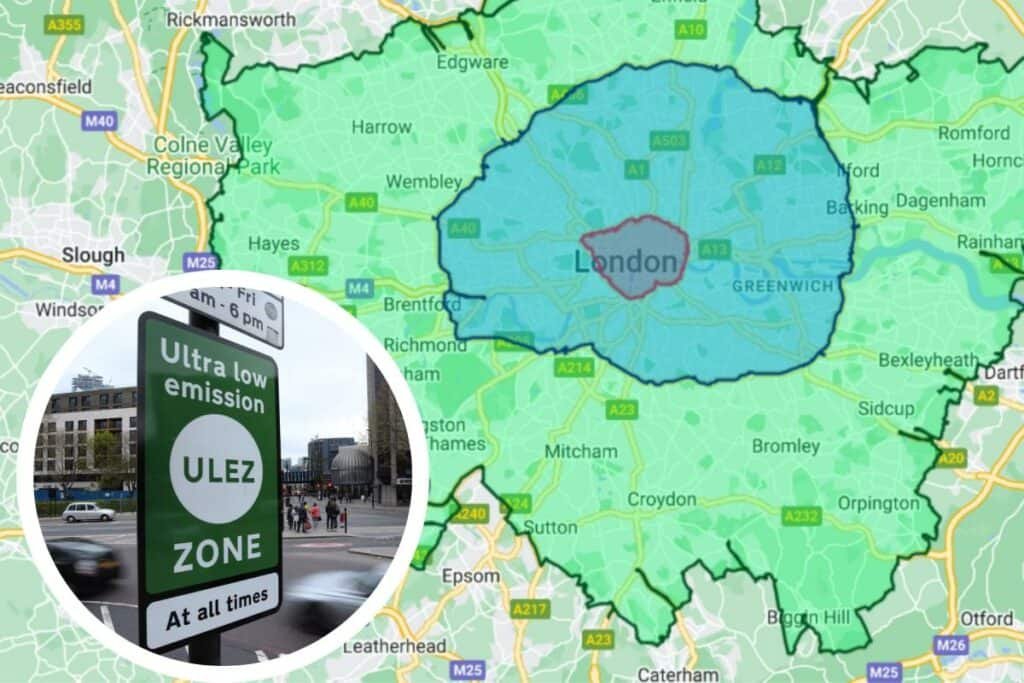
    In a bid to purify London’s air, the Ultra Low Emission Zone (ULEZ) is set to extend its reach across all London boroughs starting August 29, 2023.

    Contents:

    • The Scope of the Extended ULEZ Area
    • ULEZ Expansion Map
    • Notable Changes in the ULEZ Charge
    • Who is Obligated to Pay the ULEZ Fee?
    • What are the ULEZ emission benchmarks?
    • What’s the course of action if your car loses ULEZ compliance?

    The Scope of the Extended ULEZ Area

    At present, the ULEZ encompasses regions within the perimeters of the North Circular Road (A406) and South Circular Road (A205).

    Commencing from August 29, 2023, the ULEZ scope will encompass all 33 boroughs of Greater London, with certain areas extending to the borders of the M25.

    ULEZ Expansion Map

    Notable Changes in the ULEZ Charge

    The penalty charge for non-payment of the ULEZ charge will increase from £160 to £180 (£90 if settled within 14 days).

    The daily £12.50 charge required and the emission standards for exemption from ULEZ charge payment remain unaltered.

    Who is Obligated to Pay the ULEZ Fee?

    Any individual operating a vehicle not conforming to the ULEZ emission standards within the extended regions, commencing August 29, 2023, must remit the daily £12.50 ULEZ charge. This includes ULEZ residents.

    Payment isn’t requisite if your car remains parked within the ULEZ boundaries and isn’t driven.

    The ULEZ charge applies ceaselessly, 24/7, throughout the year, except on Christmas Day (December 25th).

    What are the ULEZ emission benchmarks?

    For exemption from ULEZ charges, your car must adhere to the following emission standards:

    • Petrol cars (including hybrids) – Euro 4 or higher
    • Diesel cars (including diesel-hybrids) – Euro 6 or higher

    A general guideline is that if your petrol car was manufactured post-January 2006, it’s likely ULEZ-compliant. Similarly, if your diesel car was produced post-September 2016, it probably adheres to ULEZ standards.

    HINT: Plug-in hybrids and fully-electric cars meet ULEZ emission criteria and are exempt from ULEZ charges.

    See if your car is ULEZ-compliant

    What’s the course of action if your car loses ULEZ compliance?

    As an Uber driver, consistently paying £87.50 weekly without compensation can strain your finances when driving a non-compliant vehicle.

    The positive news is that the transition to an electric vehicle, entirely absolved from ULEZ and Congestion Charge expenses, is now more economically viable than ever.