Author: Jeremy Simon

  • Renewing Your London PCO Licence in 2023

    Renewing Your London PCO Licence in 2023


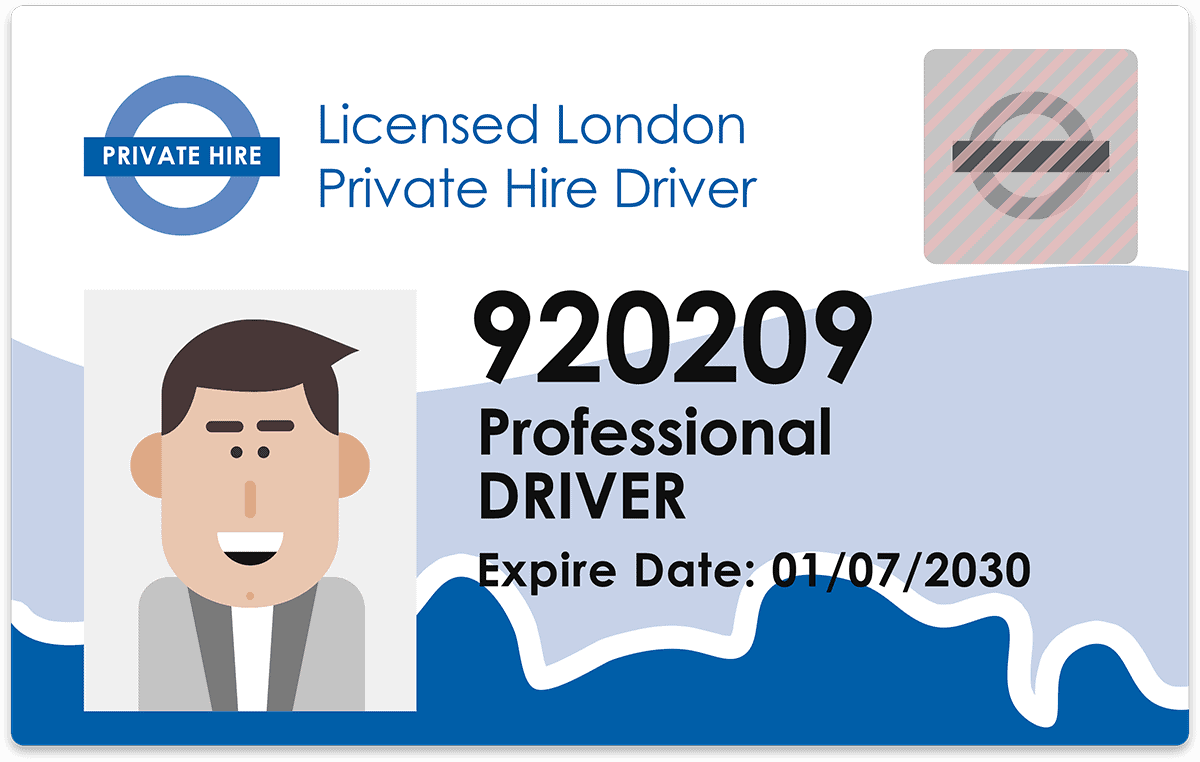
    For rideshare drivers, maintaining a valid PCO licence is essential for their role. Therefore, understanding its expiration date and the replacement process is crucial.

    Discover comprehensive information on renewing your PCO licence

    Contents:

    • When is the optimal time for PCO licence renewal, and what’s the Expected duration of the process?
    • How Can I proceed with renewing my PCO licence?
    • What are the Expenses associated with renewing my PCO Licence?
    • What if I delay renewing my PCO licence?

    When is the optimal time for PCO licence renewal, and what’s the expected duration of the process?

    Your PCO licence remains valid for three years from its issuance date. To ensure a seamless renewal, initiate the paperwork well in advance of your existing licence’s expiry.

    FUN FACT: TfL now dispatches all application packs approximately four months ahead of the expiry date.

    How can I proceed with renewing my PCO licence?

    Given your prior experience during the initial PCO licence application, you’ll likely find the renewal process familiar. The good news is that renewing involves fewer complexities and paperwork.

    Here’s the 2023 step-by-step guide for renewing your PCO licence:

    1. Submit Renewal Pack Forms to TfL:

    TfL will dispatch a renewal pack to you about four months before your licence expires. This pack includes forms for you to sign and return.

    2. Apply for a DBS Check:

    A fresh enhanced criminal records check from the Disclosure and Barring Service (DBS) is required. Be sure to declare any identity variations appearing on your official identification documents.

    NOTE: DBS checks remain valid for three months, so timing is crucial.

    Opting for the £13 DBS update service enables you to keep your certificate current, streamlining renewals and preventing delays.

    3. Undergo a Medical Examination:

    Proving your medical fitness for licence renewal entails meeting Group 2 DVLA standards. Obtain and complete the TPH/204 medical form, then visit your General Practitioner for verification.

    4. Provide a Recent Photograph:

    Supply a recent photograph adhering to the specified photo standards.

    5. Complete Safeguarding Awareness Training: 

    Participate in the online Safeguarding Awareness training course, mandatory for both new and existing drivers. This course addresses safeguarding vulnerable individuals from harm and abuse.

    6. Address Missing Documents from Prior Application:

    TfL revised and introduced new documents and regulations for the PCO licence application. If these haven’t been previously submitted, you’ll need to:

    • Validate your right to work in the UK through the Right to Work check.
    • Register with HMRC and complete a tax check using your Government Gateway ID and password.
    • If you used a language certification for proof, take the TfL English test, as mandated since October 21st, 2021.

    7. Settle the Fee:

    A £170 fee is necessary to process your renewal application.

    REMINDER: Ensure your old licence is returned within seven days of its expiration.

    What are the expenses associated with renewing my PCO licence?

    The costs of renewing your PCO licence can vary. Here’s an outline of the anticipated expenses for each stage.

    PCO licence renewal fees PCO licence renewal fees
    Licence application fee £170
    DBS Check £52 (online) / £54 (paper)
    Medical exam ~£80 (or set by your G.P.)
    Post Office® Check and Send £7.15 (unless paid via credit/debit card)
    English test (SERU assessment/Speaking and listening assessment) £36/£36

    Renewing your PCO licence involves an approximate cost of £380, provided you need to undergo the English test and choose to apply through the Post Office. For a more streamlined process and a £10 cost reduction, consider submitting your application online through the TfL website after completing the registration.

    What if I delay renewing my PCO licence?

    Failing to renew your PCO licence on time can have legal consequences. Driving with an expired PCO licence is against the law, so it’s crucial to initiate the renewal application well in advance.

    Should you send the renewal documents to TfL after your licence has already expired, you won’t hold a valid licence. In this scenario, you’ll face approximately six weeks of waiting before receiving your new PCO licence, during which you won’t be able to engage in rideshare driving.

    VITAL NOTE: Neglecting to apply for PCO licence renewal within three months following the previous licence’s expiration will result in your removal from TfL’s system. Consequently, you’ll be treated as a new applicant and required to reinitiate the initial application process.


  • 5 key Transformations PHV Drivers in 2023

    5 key Transformations PHV Drivers in 2023

    5 Changes Awaiting PHV Drivers in 2023

    We’ve compiled a list of five upcoming changes in 2023 that PHV drivers in London should be aware of. These changes are a combination of updates by Transport for London, the DVLA, and the government.

    1. Zero Emission Capable (ZEC) Vehicles

    Starting from January 1, 2023, TfL will require Private Hire Vehicle licensing to be exclusive to Zero Emission Capable vehicles. To obtain a new license for private hire purposes, the vehicle must meet ZEC criteria. Vehicles without ZEC capability and no previous Private Hire Vehicle License will no longer qualify for licensing as private hire vehicles in London.

    To comply with ZEC standards, vehicles must:

    * Emit a maximum of 50g/km CO2 and have the ability to operate with zero exhaust emissions for a minimum range of 10 miles.

    * Emit a maximum of 75g/km CO2 exhaust emissions and have the ability to operate with zero emissions for a minimum range of 20 miles.

    2. Expansion of 20mph Speed Limit Roads in London

    Transport for London will increase the number of roads with a 20mph speed limit in the boroughs of Tower Hamlets, Hackney, Islington, Haringey, and Camden. Private Hire Drivers spend significant time on the road, so being aware of these changes is crucial to avoid penalties for speeding.

    Here are some of the roads that will have the new 20mph speed limit, expected to take effect from around February 2023:

    * Seven Sisters Road A503

    * City Road A501

    * Finchley Road A41

    * Holloway Road A1

    * Kingsland Road A10

    * Mile End Road A11

    * The Highway A1203

    3. ULEZ Expansion

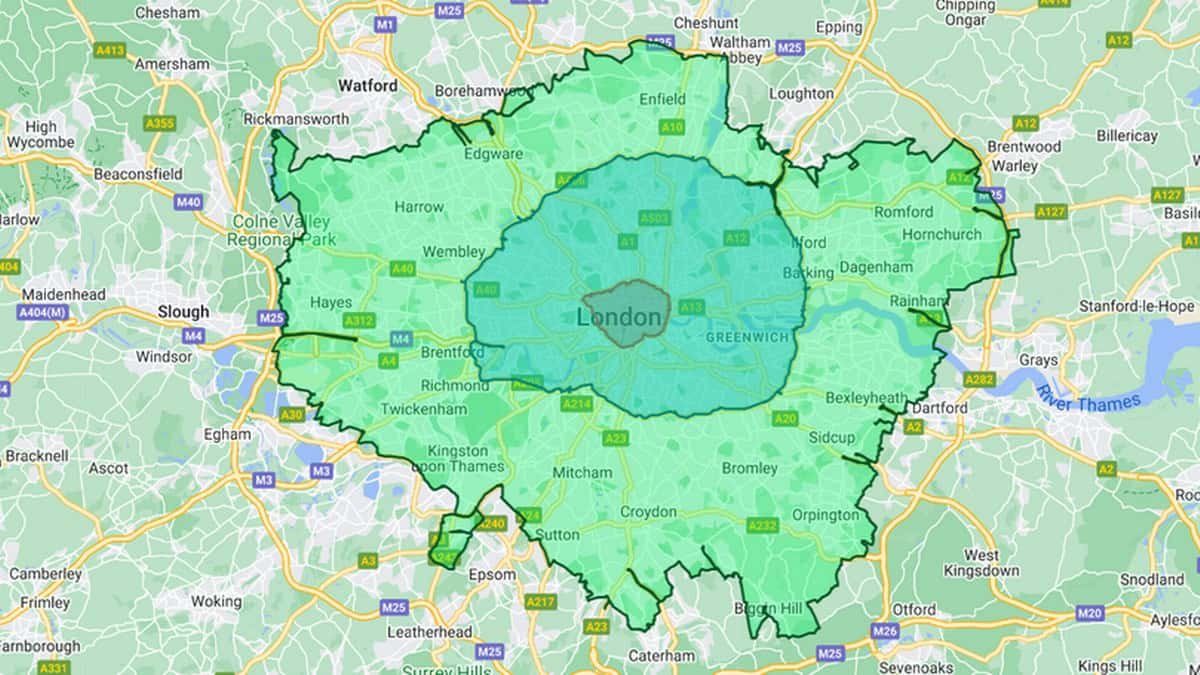
    Starting from August 29, 2023, the Ultra-Low Emission Zone (ULEZ) expansion will encompass all London boroughs. Drivers with vehicles that do not meet ULEZ requirements and drive within any London borough will be subject to a daily charge of £12.50.

    There is a longer grace period for wheelchair-accessible Private Hire Vehicles. They will be allowed to continue driving within the Ultra-Low Emission Zone until October 24, 2027.

    ulez-expansion-zone

    4. Fuel Duty Increase in 2023

    PHV drivers will face the impact of the cost-of-living crisis in 2023, with fuel prices set to rise again in March. In March 2022, the government temporarily reduced fuel duty by 5p per litre. However, drivers may experience fuel price hikes of up to 12p per litre.

    5. First SERU Assessment Deadline

    There are two significant dates related to SERU assessments for Private Hire Drivers in 2023. Starting from April 1, 2023, new PHV driving license applicants must complete the TfL SERU assessment and the Speaking & Listening test before receiving their Private Hire Driver’s License.

    September 30, 2023, serves as the SERU assessment deadline for Private Hire drivers who were licensed before September 30, 2021, and did not submit their evidence for the English Language Requirement. Drivers falling into this category will also need to complete the TfL Speaking & Listening test.

    To see all the relevant deadlines, click here.

  • TfL’s ULEZ Scrappage Scheme for 2023

    TfL’s ULEZ Scrappage Scheme for 2023

    The Mayor of London is introducing a scrappage grant to assist London drivers in preparing for the upcoming ULEZ expansion, set to be implemented on 29 August 2023.

    We have compiled essential information to help you determine your eligibility for the TfL scrappage scheme in 2023.

    Who qualifies for the TfL Scrappage Scheme 2023?

    1. Your vehicle, which you intend to scrap, must not meet the current ULEZ emission standards (i.e., it would require you to pay the ULEZ charge).
    2. The registered keeper of the vehicle can be either you or someone living with you.
    3. You must reside within one of the 33 London boroughs.
    4. You must be receiving one or more of the following benefits in the list below.

    Here is a comprehensive list of the 33 London Boroughs:

    1. City of London
    2. City of Westminster
    3. Kensington & Chelsea
    4. Hammersmith & Fulham
    5. Wandsworth
    6. Lambeth
    7. Southwark
    8. Tower Hamlets
    9. Hackney
    10. Islington
    11. Camden
    12. Brent
    13. Ealing
    14. Hounslow
    15. Richmond upon Thames
    16. Kingston upon Thames
    17. Merton
    18. Sutton
    19. Croydon
    20. Bromley
    21. Lewisham
    22. Greenwich
    23. Bexley
    24. Havering
    25. Barking & Dagenham
    26. Redbridge
    27. Newham
    28. Waltham Forest
    29. Haringey
    30. Enfield
    31. Brent
    32. Harrow
    33. Hillingdon

    Full benefits list:

    • a. Universal Credit
    • b. Armed Forces Independence Payment
    • c. Attendance Allowance
    • d. Carer’s Allowance
    • e. Child Tax Credit
    • f. Constant Attendance Allowance
    • g. Disability Living Allowance
    • h. Employment and Support Allowance
    • i. Housing Benefit
    • j. Income Support
    • k. Industrial Injuries Disablement Benefit
    • l. Jobseeker’s Allowance
    • m. Pension Credit
    • n. Personal Independence Payment
    • o. Severe Disablement Allowance
    • p. War Pensioner’s Mobility Supplement
    • q. Working Tax Credit

    Additionally, there has been an observed increase in private hire vehicle licenses since 2021, potentially attributed to the upcoming electric vehicle requirement in 2023. Many drivers have chosen to license their existing vehicles ahead of time to avoid the new rule, which mandates that only zero-emission capable vehicles can be licensed by TfL for private hire purposes.

    How much Tfl is going to pay for scrapping vehicle?

    • Car – £2,000
    • Motorcycle – £1,000
    • Wheelchair Accessible Vehicle – £5,000

    Other Options for the TfL Scrappage Scheme 2023:

    Scrap a Car: Receive £1,600 and a 1 Adult Annual Bus & Tram Pass.

    Scrap a Car: Receive £1,200 and 2 Adult Annual Bus & Tram Passes.

    Scrap a Motorcycle: Receive £600 and a 1 Adult Bus & Tram Pass.

    Scrap a Motorcycle: Receive £200 and 2 Adult Bus & Tram Passes.

    Retrofit a wheelchair accessible van: Pay £5,000 to modify the vehicle to meet the required emission standards.

    What does “Retrofit” mean?

    Retrofitting refers to making modifications to a vehicle to ensure it meets the necessary emission standards for ULEZ compliance. Various companies offer this service, and you can find them online.

    Which vehicles are eligible for the TfL scrappage scheme 2023?

    The scheme is open to cars, vans, and motorcycles that currently do not meet TfL’s emission standards for the Ultra Low Emission Zone (ULEZ).

    How can I apply for the TfL scrappage scheme?

    To apply, you need to create a London Road User Charging (RUC) account on the TfL website.

    Register the account in the name of the benefit recipient and ensure the address matches the proof of benefit provided. You will also need a valid email address. The application form takes approximately 30 minutes to complete.

    Documents required for the TfL scrappage scheme 2023:

    1. Recent benefit award letter (not older than 12 months) or Universal Credit Statement.
    2. If the benefit proof doesn’t include your address, submit a copy of your driving licence or a bank statement/utility bill dated within the last 3 months.
    3. Photo ID (Passport or Driving Licence).
    4. V5C Logbook.
    5. Valid vehicle insurance certificate.

    Additional documents for Wheelchair Accessible Vehicles:

    1. If you are scrapping a wheelchair accessible vehicle, you need to provide: One image of the vehicle’s permanent conversion for wheelchair access. One image of the wheelchair securing system.

    2. If the vehicle is adapted for wheelchair use, provide two images of the swivel seat (facing forwards and sideways) or two images of the hydraulic or electronic hoist system (one installed and one permanently attached).

    After submitting your application and receiving acceptance from TfL (which can take up to 10 working days), you must book an appointment at an Authorized Treatment Facility (ATF) within 1 month. The ATF will scrap your vehicle and provide a Certificate of Destruction. You need to submit evidence of the scrapping or retrofitting to TfL, and the grant payment will be sent to you via cheque to the address on your application.

    To get started, you need to create a London Road User charging account via this link.

    More information and instructions can be found here.

  • When should I complete SERU assessment?

    When should I complete SERU assessment?

    This is a frequently asked question by existing PHV drivers and new applicants.

    If you’re an existing PHV driver, you can find the answer in this short guide.

    For new applicants, please read below to find out the process.

    New applicants often ask, “Should I complete the SERU assessment before or after submitting my PCO application?”

    The current answer is that you will do the SERU assessment after you apply, as TfL will invite you to undertake the assessment. This means you cannot book the SERU assessment yourself.

    You must complete your full PCO license application, submit it, and then wait for TfL to contact you via letter or email to book your test date at one of the two locations.

    Here is the current step-by-step process for applying for a Private Hire license with TfL to become a minicab driver in London:

    1. Register with TfL:

    Begin the Private Hire License application process by registering online with TfL. Visit the following link to register.

    2. Enhanced DBS check:

    Complete your Enhanced DBS check through TfL’s designated service provider to obtain your DBS certificate, which is a criminal background check. You must use TfL’s provider; other providers are not accepted. Access TfL’s DBS provider through this link.

    3. Medical check:

    Undergo a medical check at your GP’s office using the yellow TfL medical form provided when you log on to complete your private hire application online.

    4. HMRC Tax Check:

    As you will likely become self-employed as a Private Hire driver, register with HMRC and obtain your unique 9-character tax check code to share with TfL. You can do the check here..

    Once you have completed these four steps, submit your Private Hire License application online. TfL will then initiate the processing of your application and proceed with the following steps:

    1. Topographical Skills Assessment:

    You will receive a letter and email from TfL providing the date, time, and location for your Topographical Skills Assessment. You need to attend the TfL topographical test center to complete this assessment.

    2. SERU Assessment:

    TfL will send you a letter and email inviting you to book your SERU Assessment. This invitation may come after you have passed the topographical skills assessment and even after your Private Hire License has been issued.

    3. Speaking & Listening Assessment:

    When you receive the SERU assessment invitation, you may also be asked to take the TfL Speaking & Listening Assessment. For existing private hire license holders, this depends on the status of your English Language Requirement.

  • TfL Vehicle Inspection Centre Locations

    TfL Vehicle Inspection Centre Locations

    The TfL Private Hire Vehicle Licensing Inspection centre in London are being reduced from 6 to 5. The NSL vehicle inspection centre in Canning Town will be closing at the end of February 2023.

    North site – Enfield
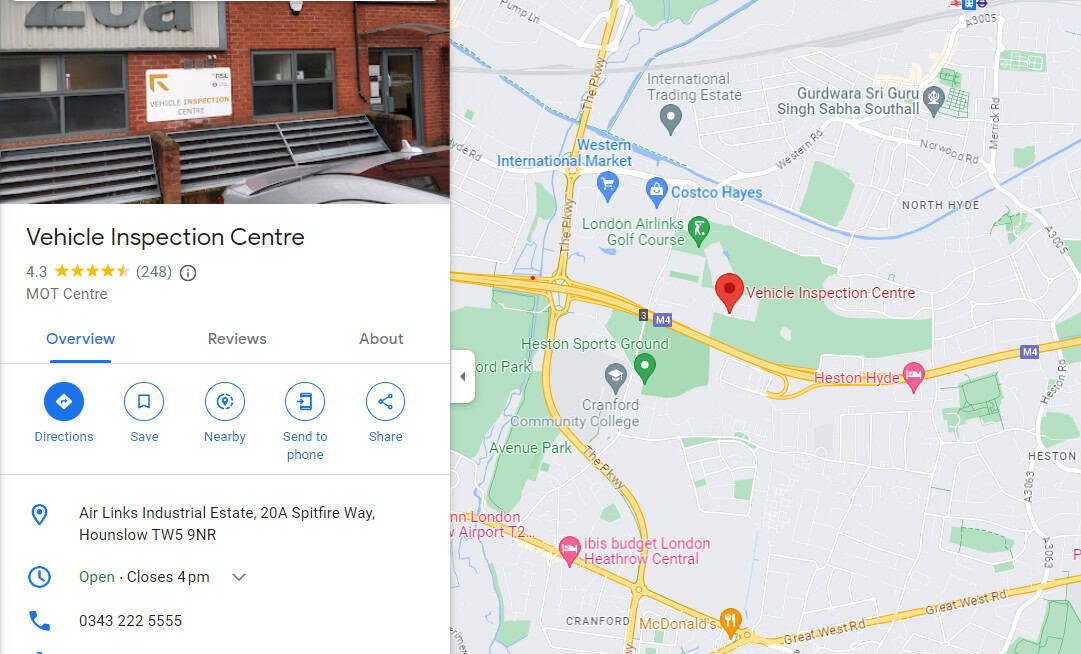
    West site – Heston
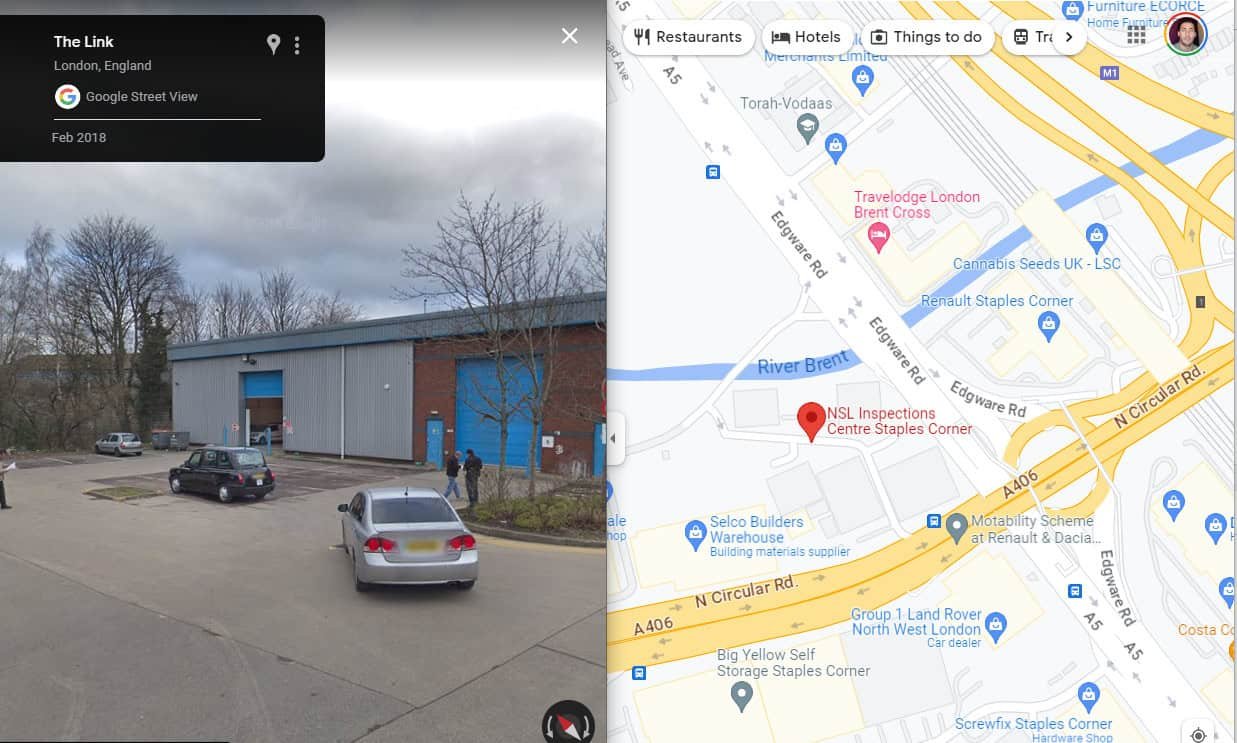
    Central West site – Staples Corner
    Central East site – Rainham
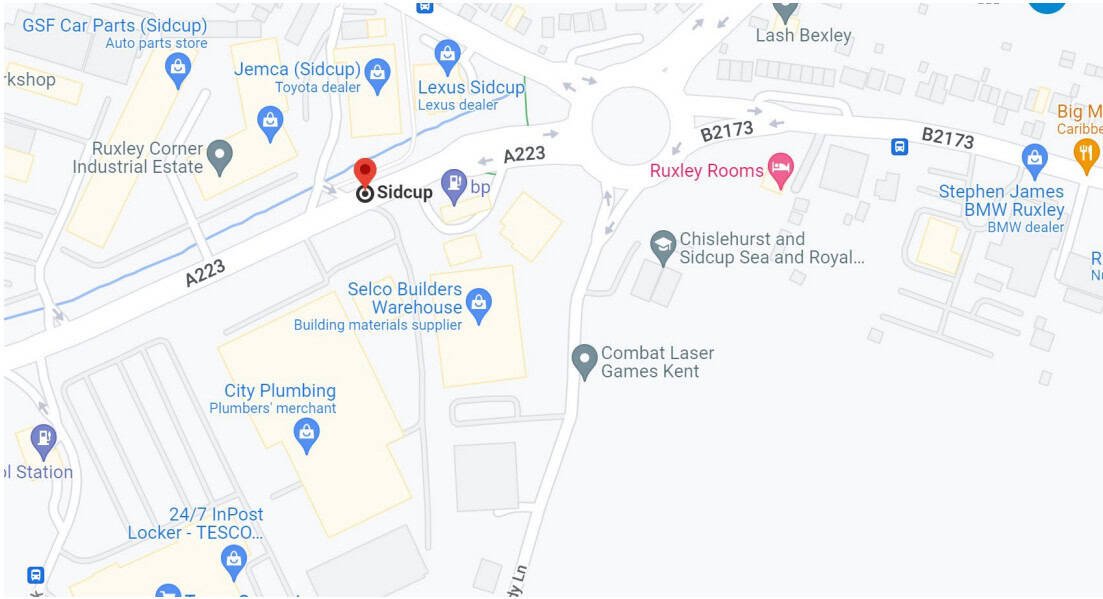
    South East site – Sidcup

    Here is a list of the 5 TfL Vehicle Inspection Centres for Private Hire Vehicle Licensing:

    1. North London – Enfield

    • Google Maps Link
    • Address: Unit 2, Watermill Business Centre, Edison Road, Enfield, London, EN3 7XF
    • Opening Hours:
      • Monday to Friday: 7am to 5pm
      • Saturday & Sunday: Closed

    tfl-vehicle-inspection-site-north


    2. West London – Heston

    • Google Maps Link
    • Address: NSL Inspection Centre, Unit 20a, Airlinks, Spitfire Way, Heston, TW5 9NR
    • Opening Hours:
      • Monday to Friday: 7am to 4pm
      • Saturday & Sunday: Closed

    tfl-inspection-centre-heston


    3. Central West – Staples Corner 

    • Google Maps Link
    • Address: Unit 2 Aquarius Business Park, Priestley Way, Staples Corner, London, NW2 7AN
    • Opening Hours:
      • Monday to Friday: 7am to 5pm
      • Saturday & Sunday: Closed

    tfl-inspection-centre-staples-corner


    4. East London – Rainham

    • Google Maps Link
    • Address: Unit 10 Segro Park, Rainham, RM13 8HY
    • Opening Hours:
      • Monday to Friday: 7am to 5pm
      • Saturday & Sunday: Closed

    tfl-inspection-centre-east


    5. PCO Vehicle Inspection South East London

    • Google Maps Link
    • Address: Unit 13 & 14, Klinger Industrial Park, Edgington Way, Sidcup, DA14 5AF
    • Opening Hours:
      • Monday to Friday: 7am to 5pm
      • Saturday & Sunday: Closed

    tfl-inspection-centre-south-east

    All Private Hire Vehicle inspection sites offer the following facilities:

    • Numbered parking bays to facilitate the check-in process
    • Waiting area with TVs
    • Access to newspapers and magazines
    • Tea and coffee vending machines
    • Cold drink vending machines
    • Snack vending machines
    • Toilets
    • Disabled toilets
    • Electric car charging points

    If you need to book your vehicle for Private Hire Vehicle Licensing, you can conveniently make your booking online by visiting the TfL Vehicle Licensing Booking Site.

  • How to stay safe as a PHV driver

    How to stay safe as a PHV driver

    If you’ve taken the SERU online training course, you will know that section 4 of the PHV driver handbook covers staying safe as a PHV driver.

    Aside from this, TfL, in collaboration with the Metropolitan Police Service have created a leaflet specifically tailored for Private Hire and Taxi drivers in London.

    This comprehensive leaflet offers practical guidance on ensuring personal safety while working as a driver.

    Upon review, we noticed that much of the information covered in the TfL SERU assessment aligns with the content of this leaflet. While the information provided should be common sense for private hire drivers, a gentle reminder is always valuable.

    Let’s break down the key points highlighted in the Stay Safe while Working leaflet:

    1. Safeguarding your money and belongings:

    a. Avoid leaving cash in easily accessible areas within your vehicle, such as the central console near the gear stick or cupholders.

    b. Limit the amount of cash you carry with you.

    c. Keep your phone out of reach of passengers, and it’s advisable to note down your IMEI number. This will aid in identifying or blocking your phone if it gets stolen. You can find your phone’s IMEI number by dialing *#06#.

    d. In the event of any threat involving a weapon, immediately dial 999 without jeopardizing your personal safety.

    2. Ensuring safety while driving:

    a. If a passenger requests an abrupt stop or diverts the journey to quieter areas, aim to stop in well-lit locations with other people present.

    b. Stay cautious of tactics employed to coax you out of your vehicle, such as asking to adjust seats or access the trunk.

    c. If you must leave your vehicle, remember to turn off the ignition and take your keys with you.

    3. Useful resources at your disposal:

    a. Consider utilizing a lone working device equipped with emergency contact capabilities and monitoring stations. Pressing the alarm will notify someone to provide assistance.

    b. Approved TfL CCTV systems can be installed in Private Hire Vehicles, serving as an effective deterrent and aiding in capturing evidence.

    c. Explore the option of incorporating a vehicle tracking device, which can assist in locating your vehicle in the event of theft. Some of these devices may even help reduce insurance premiums.

    4. Reporting incidents:

    a. Always report suspected crimes to the police.

    b. For emergencies, dial 999 immediately. Non-emergency incidents can be reported by calling 101.

    c. Ensure that you inform your operator, as they are obligated to maintain a record of every booking. If an incident occurs, they can provide the necessary details to TfL or the police for further investigation.

    PHV drivers are infrequently targeted by criminals and unfortunately there have been known cases of attacks on drivers. Therefore it is crucial to know what to do to keep yourself safe and where to go to for help.

    Stay safe.

  • 10 Electric Cars for Private Hire Services

    10 Electric Cars for Private Hire Services

    The transition to fully electric private hire vehicles has begun. As of 2023, TfL has implemented a policy to exclusively license new private hire vehicles that are zero emission capable (ZEC).

    Uber has also set a target to make all their vehicles electric by 2025, while Addison Lee has already upgraded their entire fleet to fully electric models. It’s anticipated that more private hire operators will join this movement towards full electrification.

    Electric vehicles are undoubtedly the future of the private hire industry. As a self-employed private hire driver, it’s crucial to consider future-proofing your trade by gradually transitioning to an electric vehicle.

    To help you plan for the future, we have curated a list of popular electric cars suitable for private hire work. This compilation includes electric cars of various sizes, along with their cost, charging times based on fast charging speeds, and our favourite pick from the selection.

    10 Electric Vehicles Popular for Private Hire Work in London

    Tesla Model 3

    The Tesla Model 3, one of the pioneering electric cars, boasts a futuristic design and is equipped with impressive technological features. While not the largest option, it remains a popular choice.

    • Body Type: Saloon
    • Seating Capacity: 5
    • Boot Space: 425 liters
    • Range: 340 miles
    • Charge time: 7 hours
    • Price: New – £43,000

    Hyundai Ioniq 5

    Sporting a retro-futuristic design, the Hyundai Ioniq 5 is an SUV hatchback that deceives with its compact appearance and surprisingly spacious interior.

    • Body Type: Hatchback
    • Seating Capacity: 5
    • Boot Space: 527 liters
    • Range: 298 miles
    • Charge time: 6 hours
    • Price: New – £43,000

    Volkswagen ID.4

    Similar in style and size to the Hyundai Ioniq 5, the Volkswagen ID.4 has also been chosen as the electric vehicle of preference for the Addison Lee fleet upgrade.

    • Body Type: Hatchback
    • Seating Capacity: 5
    • Boot Space: 543 liters
    • Range: 328 miles
    • Charge time: 8 hours
    • Price: New – £38,000

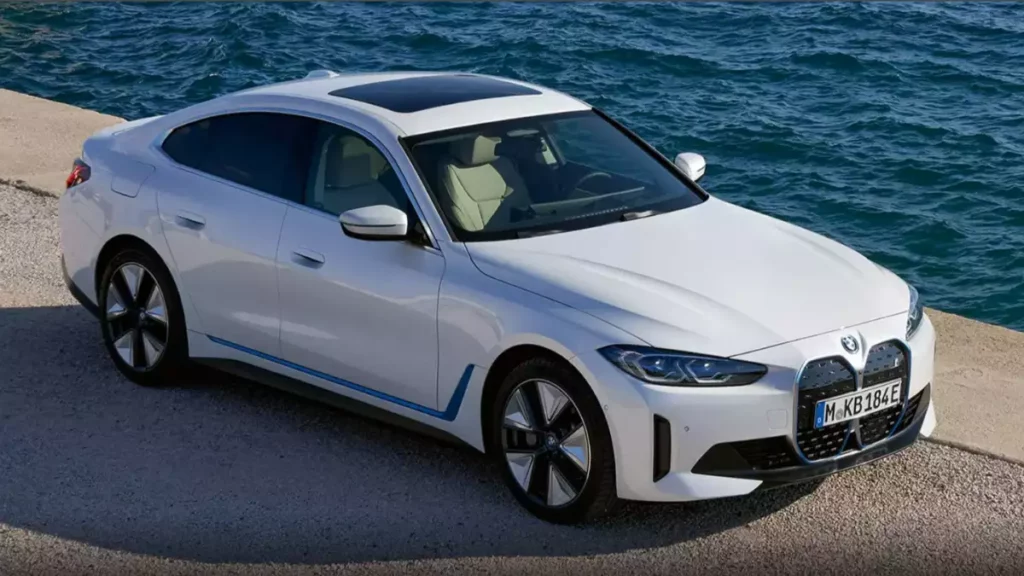
    BMW i4

    Designed with executive use in mind, the BMW i4 is a premium electric vehicle that shares a similar size with the BMW 3 series and features the iconic BMW styling.

    • Body Type: Saloon
    • Seating Capacity: 5
    • Boot Space: 470 liters
    • Range: 365 miles
    • Charge time: 7 hours
    • Price: New – £50,000

    Skoda Enyaq

    The Skoda Enyaq stands out as an excellent 7-seater electric vehicle, filling a gap that was previously lacking in the market. It is our top choice for electric cars used in private hire work.

    • Body Type: SUV
    • Seating Capacity: 7
    • Boot Space: 585 liters
    • Range: 260 miles
    • Charge time: 6 hours
    • Price: New – £39,000

    Jaguar I-Pace:

    The Jaguar I-Pace is a prestigious SUV brand with a distinctive and eye-catching design that sets it apart from other vehicles. It’s an excellent choice if you’re seeking a stylish car for private hire work.

    • Body Type: SUV
    • Seating Capacity: 5
    • Boot Space: 656 liters
    • Range: 292 miles
    • Charge time: 10 hours
    • Price: New – £70,000

    Tesla Model X:

    Tesla’s Model X was the first electric 7-seater available in the market. While it falls into the higher price range, it’s a desirable car suitable for executive travel.

    • Body Type: SUV
    • Seating Capacity: 7
    • Boot Space: 544 liters
    • Range: 348 miles
    • Charge time: 6.5 hours
    • Price: New – £90,000

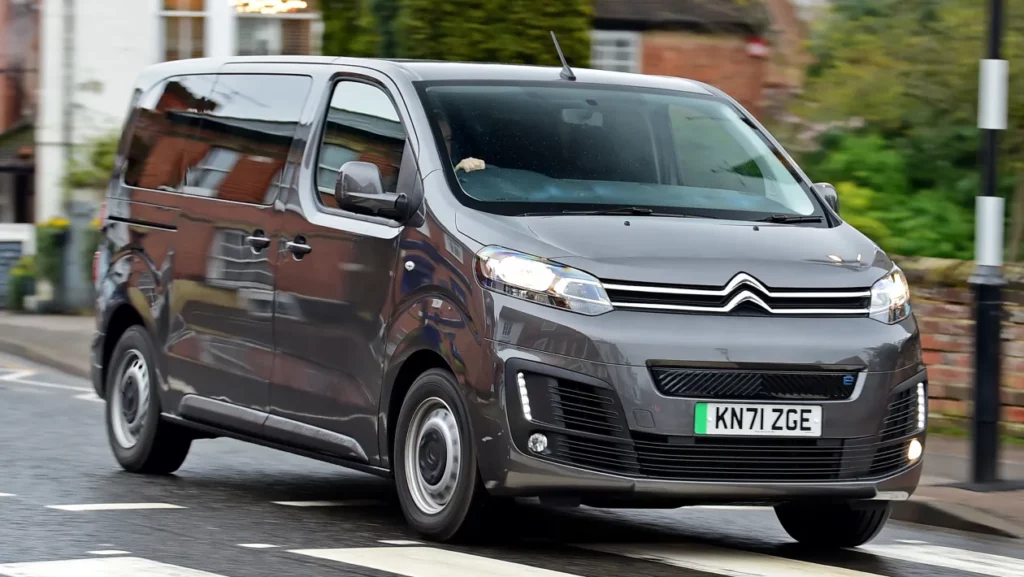
    Citroen e-SpaceTourer:

    The Citroen e-SpaceTourer offers one of the best price points among electric cars, particularly because it comes with 9 seats. While its range is not extensive, it compensates with quick charging, taking only 30 minutes to reach an 80% charge.

    • Body Type: MPV
    • Seating Capacity: 9
    • Boot Space: 603 liters
    • Range: 136 miles
    • Charge time: 6.5 hours
    • Price: New – £35,000

    MG 4 EV:

    The MG 4 EV is an affordable electric vehicle with a futuristic and stylish appearance.

    • Body Type: Hatchback
    • Seating Capacity: 5
    • Boot Space: 363 liters
    • Range: 281 miles
    • Charge time: 8 hours
    • Price: New – £26,000

    Kia e-Niro EV:

    The Kia e-Niro EV is another reasonably priced electric vehicle, featuring an SUV body type that offers a slightly more spacious feel even as a 5-seater.

    • Body Type: SUV
    • Seating Capacity: 5
    • Boot Space: 348 liters
    • Range: 235 miles
    • Charge time: 10 hours
    • Price: New – £27,000
  • What to expect in the TfL SERU Assessment?

    What to expect in the TfL SERU Assessment?

    The TfL SERU (Safety, Equality and Regulatory) assessment is a test that all existing and new TfL Private Hire Drivers must pass.

    What does the SERU assessment test?

    The SERU assessment tests drivers:

    1. Reading and writing skills
    2. Understanding of the safety, equality and regulatory requirements that apply to London PHV drivers (PHV driver handbook content).

    What kind of test is the SERU?

    The SERU assessment is a computer-based test.

    You will not need to type any words or write anything on paper. However you will need to be able to use a mouse.

    How many questions are in the SERU?

    The SERU assessment has 37 questions. There are 3 different question types:

    • 18 multiple choice questions
    • 17 fill-in-the-blank questions
    • 2 reading & understanding questions

    You can try some sample questions of the SERU test here.

    How long is the test?

    The SERU assessment has a time limit of 45 minutes.

    What is the pass mark for the SERU test?

    The pass mark is 60% or higher for the SERU assessment.

    What is the best way to pass the SERU test?

    This comprehensive guide will explain how to successfully prepare for the SERU assessment.

    Can you re-take the test?

    Candidates who do not pass the SERU test on the first attempt, are given one attempt to retake the test.

    Where is the SERU test taken?

    The SERU test must be taken at a TfL test centre. There a few different test locations around London.

  • How to Prepare for the TfL SERU Assessment

    How to Prepare for the TfL SERU Assessment

    Start Early: Begin Your Preparation Well in Advance

    Do not wait until you receive your e-mail/letter from TfL inviting you to sit your TfL SERU assessment. TfL has given some drivers as little as one week’s notice to sit their SERU assessment, which may not be enough time.

    If you are not sure when your assessment date will be, you can find out using this guide.

    Give yourself plenty of time to understand the test requirements, gather study materials, and develop effective study strategies.

    Starting early allows for a more comprehensive and focused preparation, increasing your chances of passing.

    Find Out What to Expect in the Test

    Before diving into your preparation, familiarize yourself with the format of the TfL SERU assessment. Understand the types of questions, time limits, and scoring criteria.

    This will help you tailor your study plan and practice effectively, ensuring that you are well-prepared for the specific demands of the assessment.

    You can find a summary of what to expect in the test here.

    Make a Plan: Create a Schedule and Find resources

    How long you will need to prepare for your SERU assessment depends on your English reading & writing abilities and computer skills.

    Some people will need 2 weeks and others may need 2 months. Remember, everyone’s circumstances is different so focus on your own plan.

    Try the Free TfL SERU Practice Questions to get an idea of the level of reading & writing  and computer skills needed. The tool will also give you a personalized suggestion of what resources you should use to prepare.

    Structure Your Time: Practice Regularly

    The TfL SERU assessment is based on the PHV Driver’s Handbook which is a 55-page PDF. You can use an online training course to make it easier to study on your mobile wherever you are, in between your daily schedule.

    The TfL SERU Practice Online Training Course breaks down the Handbook into 50 short lessons with practice questions at the end of each lesson.  It makes it easy to track your progress and practice official format questions.

    Structure Your Practice: Focus on Key Areas

    It is important to focus extra on the aspects you find challenging.

    For example, most drivers are familiar with the licensing process which is covered in Section 1. However not many drivers are familiar with the rules on disabled passengers and assistance dogs, covered in Section 9.

    Similarly, some question types are easier than others. Most applicants find the Fill-in-the-blanks questions more challenging than the multiple choice questions.

    The best way to find out what parts you will find challenging is tracking your progress using an online course.

    Take a Mock Test: Simulate the Exam Experience

    Mock tests are an invaluable tool for preparing for the TfL SERU assessment. They simulate the actual exam environment, allowing you to practice time management, experience the pressure, and assess your readiness.

    Identify your strengths and weaknesses through mock tests and focus on areas that need improvement. Mock tests provide a realistic preview of the assessment, boosting your confidence and performance.

    You can access TfL SERU Practice Mock Tests here

    Get Support: Seek Guidance and Assistance from Experts

    Getting expert guidance and support makes preparation for the TfL SERU assessment much simpler. The resources provided by TfL SERU Practice come with daily support via Whatsapp, where you can access valuable insights, ask any question and get the help you need to prepare effectively.

    Build Confidence: Strategies to Boost Your Confidence

    The TfL SERU assessment has a pass mark of 60%, which is not high. This means all candidates who spend enough time preparing will have no trouble passing. It is important to always remain calm and to not stress. The earlier you begin preparing, the more you can avoid being stressed.

    By following these essential tips and strategies, you can excel in the TfL SERU assessment. Remember to start early, understand the test format, create a study plan, focus on key areas, seek support, take mock tests, and build confidence. With dedicated effort and proper preparation, you can be confident you’ll pass.

  • The test for Speaking & Listening

    The test for Speaking & Listening

    For Private Hire Drivers who have successfully fulfilled their English language requirement within the specified timeframe and had it accepted by TfL, there is no need to undergo an additional speaking and listening test with TfL.

    However, they are still required to complete the SERU Assessment by 31 March 2025. If you would like more information about the SERU deadline and dates, please refer to our blog.

    If you submitted your English language requirement late (after 30 September 2021) or if TfL did not accept your evidence, you will be required to complete both the SERU assessment and the TfL speaking and listening test. Additionally, all new applicants for a Private Hire driver’s license must fulfil both the SERU assessment and the speaking & listening test requirement.

    The previous English Language Requirement by TfL has been replaced by the SERU assessment, which covers the Reading and Writing components, while the Speaking and Listening test focuses on the remaining aspects.

    Information on the TfL Speaking & Listening Test:

    Similar to the SERU assessment, the cost for the Speaking and Listening test with TfL is £36, and if you fail the test on the first attempt, you have the opportunity to re-sit it once for £16. You are allowed only two chances to pass the test.

    The Speaking and Listening test is conducted at a TfL office and is facilitated through a secure video or telephone link with a company called PeopleCert’s.

    Breakdown of the Speaking & Listening Test for Private Hire Drivers:

    * The speaking and listening test typically takes approximately 15-20 minutes to complete.

    * The pass mark for the test is 60/100 (60%).

    * The test consists of 5 parts, which we will outline in detail below.

    The TfL Speaking & Listening Test: Breakdown of 5 Parts

    1. Personal Information and Subject Discussions: The test begins with the examiner engaging in a conversation with you, asking personal questions such as your name. Then, you will discuss four subjects provided by the examiner. For instance, you might be asked about your internet usage or what you had for breakfast. These discussions will be brief, with one question per subject, and you can respond with a single sentence.

    2. Situational Role Play: In this part, the examiner will present four situational subjects to initiate a role play. For example, they may act as a waiter in a café while you pretend to express dissatisfaction with the food. You will engage in a conversation with the examiner, playing out the scenario.

    3. Image-Based Discussion: Part 3 involves a discussion with the examiner based on presented images. The examiner will use the information depicted in the pictures to initiate conversation, and you will continue the discussion using other images provided.

    4. Listening Comprehension: In the fourth part, the examiner will read a paragraph aloud, and you need to listen attentively. Following the reading, you will be given three questions based on the content. Take notes of potential answers using the provided pen and paper. Subsequently, you will verbally provide answers to the three questions.

    5. Extended Speaking: The final part requires you to speak for approximately one and a half minutes on a topic presented by the examiner. For instance, the examiner might ask about your favourite movie. You will have half a minute to take notes on the points you want to discuss. The examiner may ask follow-up questions related to the topics you mentioned during your speech.

    If you need help passing your Speaking & Listening test, we have tutors fluent in a range of languages including Urdu, Bangla, Pashto, Dari and Somali to help you pass your test.

    Just get in touch with us via our Whatsapp Support Desk.