Category: PHV Industry

  • Better PHV Driver Earnings: How to Maximize Tips

    Better PHV Driver Earnings: How to Maximize Tips

    Are you a rideshare driver seeking to optimize your earnings through tips? Although fares constitute the majority of your income, receiving substantial tips can significantly enhance your overall earnings. It’s disheartening to take home less money, especially after spending the entire day navigating the streets. But worry no more!

    By making a few adjustments to your driving behavior, you can attract a wealth of tips from your passengers. You’ll be amazed at how these tips can offset your routine car maintenance expenses, ultimately safeguarding your income.

    Let’s delve into some effective tactics for boosting tips for rideshare drivers, thereby elevating the profitability of your driving experience.

    1. Abandon Unfocused Driving

    Instead of driving aimlessly, prioritize taking the most direct route to the destination to eliminate unnecessary time wastage for both your passengers and yourself. Prompt pick-ups and speedy arrivals also reduce passenger waiting times.
    This contributes to a positive experience and underscores your professionalism. Steering clear of aimless driving demonstrates your respect for your passenger’s time and convenience.

    2. Acquaint Yourself with the Vicinity

    As a rideshare driver, having a thorough understanding of your operating area and acquainting yourself with its streets is pivotal. Familiarity with bustling streets, shortcuts, and landmarks is a crucial strategy for increasing tips, allowing you to select quicker routes. This also translates to higher earnings by completing more trips in less time.
    Mastery of the city landscape also enables you to identify high-demand zones during various times of the day.

    Utilize maps and navigation apps to enhance your knowledge. Establish connections with fellow rideshare drivers for insights into optimal routes and pick-up locations. Engaging passengers in conversation can yield valuable recommendations. These efforts culminate in a pleasant ride experience, often resulting in generous tips.

    3. Maintain a Pristine Car

    A clean environment significantly influences tip accumulation—this principle applies universally. Similarly, maintaining a neat and tidy vehicle is crucial for rideshare driving. Both the car’s interior and exterior should be immaculate. Regularly washing the car’s exterior and cleaning the interior daily are essential steps.
    Prioritize the cleanliness of your seats, ensuring they are devoid of unpleasant odors. Utilizing air fresheners or essential oils can impart a pleasant fragrance to the car’s interior.

    Personal hygiene is equally important. Daily showers and wearing well-maintained, wrinkle-free attire elevate your appearance, exuding confidence and professionalism, ultimately boosting your tip prospects.

    4. Multi-App Driving

    Broaden your earnings potential by registering with multiple ridesharing apps. This approach expands your customer base and augments ride requests. With more opportunities to pick up passengers, your earning potential escalates.
    Additionally, this strategy affords you flexibility in selecting when and where to drive. If one rideshare app experiences low demand, you can switch to another. This also proves beneficial during technical glitches or temporary account suspensions.

    Embracing this approach enables you to cultivate a diverse customer network, a practice prevalent among drivers nowadays.

    5. Engage in a Community

    Other rideshare drivers aren’t just competitors; they serve as invaluable sources of shared experiences, tips, and strategies. Online communities can be found through various forums and social media groups.
    Leverage these platforms to connect with the driver community. Beyond providing driving tips and strategies, these communities keep you updated on industry trends and local events.

    That said, integrating these tips enhances passenger experience, thereby increasing the likelihood of receiving gratuities.

    6. Foster Friendliness

    A friendly demeanor never goes unnoticed. It ranks among the most potent strategies for amassing tips. A cheerful and optimistic attitude can significantly influence your passengers.
    Greet your passengers with a warm smile and maintain a friendly dialogue throughout the journey. Strive to connect with passengers, cultivating a welcoming ambiance.

    Express genuine interest in your passengers’ well-being, offer assistance when needed, and actively listen to them. While being amicable, uphold your personal boundaries as a rideshare driver.

    Implement these recommendations and witness the transformative effects.

    7. Offer Compliments

    Complimenting passengers can wield considerable influence in augmenting your tips as a rideshare driver. Compliments possess the power to uplift moods swiftly. Acknowledging or appreciating something about your passengers can substantially improve their mood.
    Simple statements like “Your perfume’s fragrance is delightful” can go a long way. Such compliments signify your appreciation and recognition of your passengers’ presence.

    Furthermore, these compliments initiate amiable conversations, bolstering passengers’ confidence and potentially encouraging more generous tipping.

    8. Avoid Hasty Driving

    It’s crucial not to rush through rides in an attempt to maximize your earnings per hour by hurrying passengers to their destinations. Such haste can compromise safety, leading to traffic violations and potentially backfiring.
    Furthermore, rushing passengers might leave them feeling dissatisfied. Prioritize a comfortable, smooth journey that reflects professionalism. Reckless driving only results in lower ratings, negative reviews, and an adverse impact on your tips.

    9. Personalize with Names

    Calling passengers by their names might seem minor, but it holds significant effectiveness. It’s a gesture of respect, showcasing the importance you place on them.
    Although directly addressing customers by their names might feel awkward, utilizing titles like Mr. or Mrs. along with their names is a suitable alternative.

    As passengers exit, express gratitude using their names. This courteous act substantially increases the likelihood of receiving a tip.

    10. Capitalize on Peak Hours

    Leverage peak hours and surge driving to enhance your earnings. Rideshare platforms like Uber offer surge driving incentives, motivating drivers to be available in high-demand zones. Surge pricing increases fares, thereby boosting your income.
    Stay informed about areas with high demand and align your driving towards these locations during peak hours. Busy shopping districts, airports, and downtown areas offer greater ride potential and, consequently, more substantial tips.

    11. Harness Social Media for Promotion

    Utilizing social media for self-promotion is a powerful tactic to amplify your earnings. The vast global audience of 4.4 billion people on social media makes it easy to reach thousands with your content.
    Creating engaging content, sharing driving insights, and providing guidance to new drivers can attract attention. Incorporating humor into your videos can further draw interest to your profile.

    This approach encourages potential passengers to consider using your services, and familiarity from social media interactions may result in more generous tipping.

    12. Employ Subtle Tip Reminders

    Tastefully reminding passengers about tipping can be done through unobtrusive messages placed visibly in your car. Adding a touch of humor can brighten your passengers’ day while reinforcing the tip notion.
    Consider these options:

    Craft handwritten thank-you notes with a mention of tips being appreciated.
    Display a slide on your in-car tablet that gently reminds passengers about tipping.
    Attach tip cards to the back of your seats.
    Create a tip jar with an attached sign or sticker, placed in a visible location.
    Exercise respect when implementing these reminders, and ensure alignment with rideshare company policies to maintain a positive platform relationship.

    13. Enhance Ride Comfort

    Optimizing the passenger experience is vital to boosting tip potential. Ensuring a comfortable ride significantly contributes to garnering more tips.
    Maintain a pleasant temperature inside the car, adapting to weather conditions.
    Utilize heating or air conditioning as necessary.
    Adjust seating arrangements for passenger comfort.
    Consider playing soothing background music, making sure it’s appropriate.
    Providing a comfortable journey is a universal passenger expectation. Meeting this demand often results in passengers being more inclined to tip generously.

    14. Personalize the Ride

    Apart from ensuring comfort, tailoring the ride to individual passengers is key to leaving them content and satisfied. This personalized approach tends to correlate with higher tip likelihood.
    Extend a warm greeting to passengers, making them feel valued.
    Offer amenities such as water and phone chargers for added convenience.
    Suggest local attractions, especially for tourists.
    Gauge passenger preferences for conversation or a quiet ride.
    Adapt the route based on passenger preferences, avoiding certain roads or opting for scenic routes.

    15. Leverage Technology for Assistance

    Employing technology enhances the customer experience, a primary goal for rideshare drivers. Accept digital payments to streamline transactions and simplify tipping for customers. GPS systems and navigation apps aid in delivering a seamless ride experience, while rating reminders and personalized app features encourage passengers to tip.

    16. Avoid Unsafe Routes

    Prioritize safety for both yourself and passengers by carefully planning routes to avoid unsafe areas. Conduct research to identify areas with higher crime rates, and opt for reliable navigation apps that provide real-time traffic updates.

    Additionally, respecting reasonable route requests from passengers enhances their trust. By following these strategies, you ensure a positive passenger experience, ultimately increasing your chances of receiving tips.

    Concluding Thoughts!

    Increasing your earnings through generous tips from passengers doesn’t have to be complicated. The key lies in providing a clean, positive, and comfortable ride that enhances the overall experience for passengers.

    Don’t limit yourself to a single ridesharing app, as diversifying across multiple platforms can substantially boost your income. It’s not about acquiring special skills; rather, it’s about being organized and implementing effective strategies to achieve success in this endeavor. So, get started and enjoy the benefits of these straightforward approaches!


  • Habits of an Excellent Private Hire Driver

    Habits of an Excellent Private Hire Driver

    Exceeding Road Safety: The Complex Role of a Private Hire Driver

    Merely adhering to road safety norms falls short of the mark. If you were to inquire with most drivers about their driving prowess, the likelihood of receiving a confident “yes” is high. However, the realm of private hire driving diverges significantly from typical road navigation as a private individual. Guiding a taxi and chauffeuring paying passengers necessitates a distinct skill set. Your vehicular operations wield the power to augment earnings or cast a detrimental shadow over your enterprise, potentially even jeopardizing your licensure. So, what constitutes the essence of a proficient private hire driver? Let’s delve deeper into the subject:

    Maintain a Pristine Vehicle

    Initial impressions hold substantial sway. No passenger desires to pay for a journey in an untidy vehicle. While most taxi operators mandate vehicle cleanliness and presentation, merely fulfilling the minimum expectations isn’t adequate. Passengers confronted with an unkempt car are less inclined to provide gratuities or bestow high-star ratings on platforms like Uber. Moreover, they’re more likely to voice their grievances to the company you’re associated with.

    Devoting effort to ensuring your vehicle’s cleanliness can yield financial dividends through these straightforward steps:

    • Wash the exterior of the vehicle and ensure the windows are free from grime.
    • Vacuum the interior and sanitize hard surfaces.
    • Dispose of waste items, such as newspapers or food wrappers, between rides.
    • Promptly report lost items like umbrellas or mobile phones.
    • Employ a neutral air freshener to maintain a pleasant scent within the car.

    Maintain Optimal Vehicle Performance

    Your vehicle stands as your operational asset. If it’s not functioning, neither are you. While routine assessments for roadworthiness are commonplace among all private hire vehicles, ensuring your vehicle runs smoothly initiates with fundamental checks:

    • Verify the functionality of all lights.
    • Monitor the engine oil level.
    • Maintain adequate brake fluid levels.
    • Pay heed to the windscreen washer fluid level, especially during winter months.
    • Monitor the water level in the radiator or expansion tank, including the presence of antifreeze during winter.
    • Ensure accurate tire pressures and a minimum tread depth of 1.6mm across all tires, including the spare if applicable.
    • Remain attentive to servicing schedules; when your vehicle’s mileage signals the need for maintenance, promptly address it.

    These straightforward examinations can preempt breakdowns, sparing you from wasting time and potential earnings due to issues easily manageable.

    Prioritize Safe Driving

    Undoubtedly, safe driving is a fundamental necessity for your safety, your passengers’ well-being, and the overall safety of fellow road users. However, it also serves as an effective means to garner tips and secure high-star ratings. Passengers entrust their comfort and security to you; they neither desire abrupt jolts nor to be subjected to swaying or apprehension over potential accidents. Provide a journey that unfolds incident-free, characterized by a seamless glide that almost escapes notice:

    • Employ gentle braking techniques.
    • Execute cornering maneuvers with ease.
    • Gradually accelerate for a smooth ride.
    • Adhere to prescribed speed limits.
    • Maintain unwavering focus on the road.
    • Ensure a safe following distance.
    • Tailor your driving to prevailing conditions, exercising extra caution during nighttime, adverse weather, or icy conditions.
    • Remain vigilant, as fatigue can have dire consequences. If fatigue sets in, take a 30-minute break to recharge.

    Exude Politeness

    Private hire drivers extend beyond mere transportation; they furnish a service. Clients often respond to exceptional service with appreciation, while subpar experiences can lead to dissatisfaction. Politeness requires only minimal effort:

    Pay heed to any unique requests your passengers express.
    Provide relevant advice when appropriate.
    Refrain from imposing your musical preferences on riders seeking tranquility.
    Assist with loading luggage or bulky items, including wheelchairs.

    Embrace Efficiency

    Private hire drivers undertake more than just driving; they operate a small business. A well-run taxi is a thriving one. Vigilance over expenses, including maintenance, fuel, and insurance, is crucial. The cost of private hire insurance displays considerable variability. Predicated on your vehicle and individual circumstances, disparities in prices between different insurers can accumulate to several hundred pounds annually. Securing the optimal insurance quote is of utmost significance. By prioritizing efficiency, you pave the way for a prosperous venture.

  • Uber Drivers Earning (UK): How much can you make?

    Uber Drivers Earning (UK): How much can you make?

    The ascent of Uber, along with numerous other ride-hailing applications, can largely be attributed to the commendable flexibility it extends to both its clientele and drivers.

    In the role of an Uber driver, you are afforded the autonomy to shape your work pattern and schedule. Whether pursuing it as an ancillary income source or committing to it as a primary profession, the extent of your engagement is within your purview.

    Amidst this exceptional flexibility, the pressing question emerges: What can you realistically expect as your earnings as an Uber driver?

    Uber drivers in the UK accumulate an approximate average of £7.88 per ride. Calculated based on an average of two rides per hour, this equates to an hourly remuneration of £15.76. Thus, a 30-hour workweek would translate into an income of £472.

    What’s the Average Earnings for Uber Drivers?

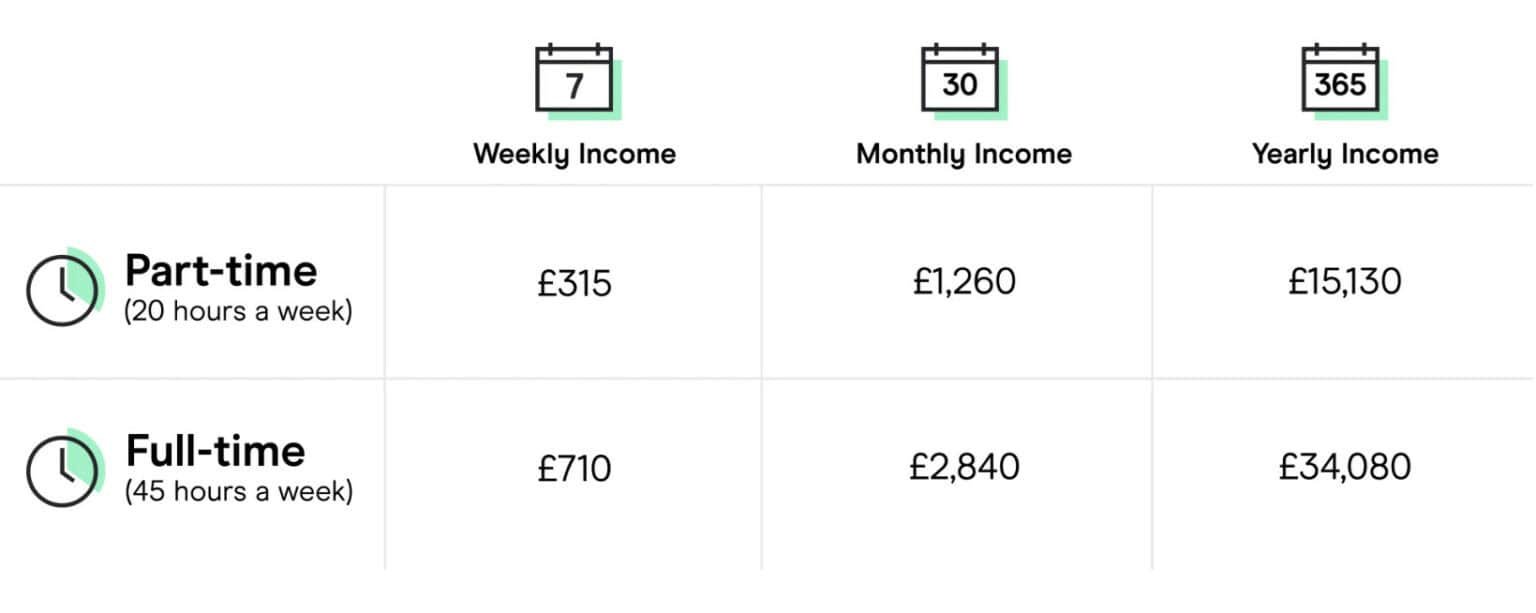
    For those committing to full-time roles as Uber drivers in the UK, monthly earnings typically range from £1,260 to £2,840.

    Delving into the specifics…

    In 2021, the fare paid by UK Uber riders averaged between £9 and £12 per trip (gratuities excluded), contingent on the location. For the sake of moderation, let’s consider a national mean of £10.50 per ride.

    After apportioning Uber’s 25% portion of each fare, drivers are left with approximately £7.88 per ride. As noted earlier, assuming an average of two trips per hour, this translates to an estimated hourly income (post-Uber deductions) of £15.76.

    Thus, the following delineates the potential earnings on average for individuals opting for part-time or full-time positions as Uber drivers:

    Certainly, the precise amount you ultimately earn is subject to variability. Factors such as your vehicle model, your chosen driving hours, the duration of your driving sessions, and the regions you serve all contribute to the sum you’ll bring home.

    It’s vital to recognize the overarching expenditure entailed in operating your own vehicle for taxi services. Costs such as fuel, upkeep expenses, and vehicle taxes fall under your purview and can impinge on your earnings.

    Moreover, there’s the matter of Private Hire insurance. This form of coverage is distinct from standard motor insurance, encompassing protection when you deploy your car as a taxi. Acquiring this type of insurance is mandatory prior to embarking on your Uber journey, so appraising the associated costs is prudent before committing.

    Remember, a comprehensive understanding of these elements is integral to ensuring a well-informed decision before diving into the world of Uber driving.

    What Are the Earnings of Uber Drivers in London?

    London-based Uber drivers can accrue weekly earnings ranging from £250 to £800, contingent on their working hours.

    For those engaged as Uber taxi drivers within central London, the consideration of congestion charges arises. This expenditure can amount to a maximum of £15 per day.

    Hence, if your work routinely takes you through the central congestion zone multiple times a week, the cumulative costs might extend beyond £2,000 annually.

    Does the Uber Rate Vary Across Different Regions?

    Yes, the Uber rate is subject to variance based on the specific city or geographical area where you provide your services.

    Uber determines the payment for each trip through an estimation of the duration and distance, followed by the application of a designated rate structure to derive the fundamental payment sum. These rates differ based on the location in which you operate.

    Additional fees and supplementary charges might also come into play. These could encompass tolls, airport parking charges, and similar expenses contingent upon your precise location.

    What’s the Weekly Working Hours of Uber Drivers?

    Part-time Uber drivers typically dedicate approximately 20 hours per week to their roles, whereas full-time Uber drivers often engage in 45 hours or more of work.

    Uber has previously disclosed that the average weekly work hours for UK Uber drivers hover around 30. A segment of approximately 16% of drivers works fewer than 10 hours a week.

    In 2018, Uber implemented a driver hours policy that mandates a 6-hour rest period after 10 hours of driving. This initiative serves to enhance safety for both drivers and passengers.

    Do Uber Drivers Receive Tips?

    Certainly, Uber drivers receive tips and retain the entirety of those tips. Taking into account that the average passenger tends to tip around 10-20% of the ride fare, tips can substantially augment your earnings as an Uber driver.

    Following each ride, Uber riders have the option to offer a tip and provide a driver rating through the app interface.

    Do Uber Drivers Receive Holiday Pay?

    Yes, Uber extends holiday pay to its drivers on a weekly basis, computed at 12.07% of their earnings.

    In addition, Uber provides a National Living Wage payment to ensure that your earnings adhere to the minimum wage stipulated by the UK Government.

    Remarkably, Uber drivers are not required to formally request holiday days off. You retain the flexibility to work or take time off as per your preference. Your holiday payment is automatically credited to your Uber account without necessitating any explicit action.

    Does Uber Cover Petrol Costs?

    No, Uber does not cover your petrol expenses. Therefore, this is a cost that you must factor in if you decide to become an Uber driver.

    For those who cover extensive distances as Uber drivers, contemplating a transition to an electric vehicle (EV) could be prudent. EVs are environmentally friendly, offer cost-effective operation, and may also allow you to capitalize on Uber’s EV-focused promotions. Alternatively, opting for a fuel-efficient diesel car could be another avenue to reduce fuel expenditure.

    How Can I Increase My Earnings as an Uber Driver?

    To optimize your income as an Uber driver, consider taking faster and more efficient routes, steering clear of congested zones whenever possible.

    This approach not only benefits you and your passengers but also contributes to emissions reduction and lower fuel expenses.

    Here are several strategies to enhance your earnings as an Uber driver:

    1. Strategic Timing

    Capitalizing on peak demand times can be lucrative, as Uber employs surge pricing when trip requests surge. These instances often coincide with rush hours in bustling city centers or near popular venues during major events. Wisely selecting your driving hours could lead to above-average earnings.

    2. Embrace Electric Vehicles

    Transitioning to an electric vehicle (EV) can yield substantial benefits, especially for Uber drivers. Apart from the savings on fuel and reduced emissions costs, you can also tap into enhanced earnings via Uber Green and exclusive EV promotions.

    3. Multi-Platform Engagement

    Exploring opportunities beyond Uber can be advantageous. While Uber holds a significant position in the ridesharing domain, other companies like Ola and Bolt offer enticing bonuses and promotions for new drivers. Investigate if these alternatives are available in your area.

    Is Uber Driving a Viable Occupation?

    Undoubtedly, being an Uber driver remains a popular career choice for individuals seeking enhanced flexibility. Notably, a recent survey indicates that 74% of gig workers express contentment with their employment circumstances.

    Recent updates have led to Uber drivers being entitled to holiday pay and National Living Wage Pay, guaranteeing a minimum wage for their working hours. Earnings can also be augmented through tips and Uber’s promotional offerings.

    Is Pursuing Uber Driving Worthwhile?

    Engaging as an Uber driver can indeed be worthwhile, primarily due to the flexibility to determine your own work hours and the potential for respectable earnings.

    However, there are factors to consider, such as fuel expenses, personal vehicle usage costs, and the possibility of working during weekends and evenings.

    Achieving the right balance and capitalizing on features like surge pricing and Uber Green promotions can lead to a satisfactory income while aligning with your schedule.

    Which City Offers the Highest Earnings for Uber Drivers?

    Uber drivers generally garner the highest earnings in London, primarily attributable to the substantial demand for rides, resulting in elevated rates and income prospects.

    Nevertheless, cities like Manchester, Birmingham, and Bristol also present favorable prospects for Uber drivers, particularly during peak periods or major events.

    How Much Do Uber Eats Drivers Earn?

    Uber Eats drivers in the UK typically achieve earnings ranging from £7 to £14 per hour on average. Considering a 30-hour workweek, potential weekly earnings could range from £210 to £420.

    Earnings vary based on factors like your operational location, the time of day you work, and the demand for your deliveries.

    As an Uber Eats driver, your compensation comprises three components:

    1. Pick-up fee: Earned each time you collect from a new restaurant.
    2. Drop-off fee: Paid for each individual order you deliver.
    3. Per-mile rate: Calculated based on the total distance from pick-up to drop-off.

    You can amplify your income through tips and by utilizing Uber’s Boost feature, which multiplies fares during peak hours in designated areas. Higher demand in pick-up zones results in higher Boost rates, potentially leading to increased earnings per delivery.

    It’s vital to acknowledge that, akin to any courier or delivery role, there are associated expenses to account for. Fuel costs, vehicle maintenance, and food delivery insurance are among these considerations. As these costs are your responsibility, it’s prudent to factor them into your earnings assessment.

    What Percentage Does Uber Take?

    Uber deducts 25% of the total fare for each journey. For instance, if a ride amounts to £10, Uber’s share would be £2.50, leaving you with £7.50 as your portion.

    Uber’s portion is subtracted prior to the deposit of your earnings into your bank account.

    How to Become an Uber Driver?

    Becoming an Uber driver entails the following six steps:

    1. Online Sign-Up: Register online with your email address, smartphone, the Uber driver app, and essential personal details.
    2. Obtain a Private Hire Licence: You’ll need to acquire a private hire driver’s licence from your local council before commencing Uber driving.
    3. Document Upload: Submit documents including your photo, ID, and a copy of your UK driver’s licence.
    4. Vehicle Selection: Choose a vehicle that meets the UK standards set by Uber. This could be your current vehicle or a new one.
    5. Complete Onboarding Course: Engage in a virtual onboarding course provided by Uber to familiarize yourself with the Uber app and its functionalities.
    6. Account Activation: Once you’ve successfully fulfilled the aforementioned steps, activate your account and initiate your driving journey.
  • Ensuring Safe Nighttime Rideshare Driving

    Ensuring Safe Nighttime Rideshare Driving

    Night-time driving is a popular choice among rideshare drivers, with a significant number opting for this time due to less congested roads. Nonetheless, driving during the night presents distinct risks compared to daytime driving. It’s crucial to be aware of these differences in order to drive safely and prevent accidents. Here are essential safety tips to keep in mind when driving for Uber at night:

    Elevate your defensive driving awareness

    Night-time accidents are statistically three times more probable due to reduced visibility and quicker response demands. Consequently, your driving acumen should be heightened by a factor of three:

    • Maintain a secure distance from other vehicles. Trailing closely is ill-advised, especially during the night. Allowing extra space safeguards against abrupt manoeuvres and bolsters visibility.
    • Moderate your speed. Occasionally, prescribed speed limits don’t align with safe driving speeds. Prioritize safety over haste by adjusting your speed when necessary.
    • Stay vigilant for pedestrians and cyclists. In the nocturnal darkness, spotting them becomes challenging. Ensure you remain attentive to the road, as their visibility is compromised.

    Avoid driving when fatigued

    In a dynamic role like Uber driving, maintaining peak focus and alertness is paramount:

    • Take regular breaks to step out of the car, stretch, and rejuvenate.
    • Engage in conversations with passengers or play lively music on the radio.
    • Adjust the indoor climate by rolling down the windows.
    • Pause for a rest or even enjoy a cup of coffee.

    Crucial: Above all, recognize when to conclude your day, return home, and obtain the necessary rest.

    While it’s possible to make up for lost hours the next day, remember that no reward justifies the hazards of driving while fatigued.

    Utilize your lights accurately

    Maintaining road safety during nightt-ime hinges on routinely inspecting all your lights: low beams, high beams, daytime running lights, turn signals, and brake lights. Ensuring these lights function properly isn’t just a legal requirement; it’s vital for your safety, your passengers’, and other road users’.

    While maintaining focus on the road is essential, refrain from gazing directly into oncoming headlights to prevent glare. Instead, direct your attention toward the left-hand side of the road and trace the white edge line to monitor your position. Should a light prove excessively dazzling, reduce your speed but avoid abrupt halts.

    Be mindful of your passenger selection:

    In the world of Uber, ratings flow both ways. When operating during night-time, be attentive to passenger ratings, and exercise caution before accepting a ride:

    • Ratings between 1 and 3 might signal potential concerns. Trust your instincts; if anything feels amiss, opt not to accept the ride.
    • If you sense insecurity upon reaching the pick-up spot, don’t hesitate to cancel the ride. Even if the passenger’s profile appeared unremarkable, you could encounter individuals who are intoxicated, impolite, or overly intrusive. In such cases, cancel the ride, secure your car doors, and relocate to a safer location.
    • Stay alert for passengers with obscured profiles. Unlike Uber drivers, riders can create accounts using pseudonyms, bogus emails, and blank avatars, enabling them to engage in problematic behaviour without easy identification.

    If you detect anything suspicious within a passenger’s profile, cancel the ride and await an app-verified rider. By adhering to these precautions, you contribute to a safer experience for both yourself and your passengers.

    Establish boundaries and guidelines:

    Setting explicit boundaries with your passengers from the moment they enter your vehicle is imperative.  This can involve:

    • Requesting that they occupy the back seat and fasten their seatbelt.
    • Communicating a strict no-smoking and no-alcohol policy within your car.
    • Making it unmistakably clear that any form of abusive conduct is unacceptable during the journey.

    Numerous Uber drivers opt to incorporate a dash cam into their vehicles, enabling the real-time recording of both audio and video throughout rides. This dash cam installation can prove beneficial in various ways. It serves as a protective measure against passengers with malicious intent and can furnish evidence in cases of abuse or threatening behaviour.

  • Medical Conditions Need to Disclose to DVLA

    Medical Conditions Need to Disclose to DVLA

    If possessing a driving license and encountering a medical condition, disability, or a previously declared condition that has worsened since obtaining the license, it is necessary to disclose this information to the DVLA.

    CRUCIAL: Drivers failing to reveal a condition that could potentially impair their safe driving abilities to the DVLA expose themselves to fines reaching £1,000, potential license suspension, or legal action in the event of an accident.

    Presented here is a comprehensive guide to understanding the process of disclosing medical conditions to the DVLA.

    Table of Contents:

    • Which medical conditions might disqualify you from driving?
    • Which medical conditions declared to DVLA?
    • Can I inform DVLA of a medical condition online?
    • What medical conditions do I need to tell car Insurace?

    Which medical conditions might disqualify you from driving?

    If any of the following apply, you must relinquish your license to the DVLA:

    • Your doctor advises refraining from driving for a duration exceeding three months.
    • A medical condition adversely affecting your driving capability persists for three months or more.
    • Your medical condition prevents you from meeting the stipulated driving standards.

    Once you fulfill the medical criteria for driving again, you can initiate the process of license reinstatement.

    Which Medical Conditions declared to DVLA?

    The DVLA has established a list of 118 medical conditions that drivers are required to disclose in order to avoid penalties and fines. Here is the comprehensive list organized in alphabetical order:

    • Absence seizures

    Any epileptic seizures or blackouts must be declared, leading to an immediate cessation of driving.

    • Acoustic neuroma

    Disclosure is necessary if sudden, incapacitating dizziness is experienced. Consultation with a doctor is advised for determining whether symptoms affecting driving should be reported.

    • Agoraphobia

    It’s advisable to consult a doctor to assess if agoraphobia impacts driving.

    • Alcohol problems
    • Alzheimer’s disease
    • Amyotrophic Lateral Sclerosis (ALS)
    • Amaurosis fugax

    A halt in driving for at least a month after a transient ischaemic attack (TIA) or mini-stroke is mandatory, resuming only when deemed safe by a doctor.

    • Amputations

    Any amputated limb should be declared.

    • Angiomas or cavernomas
    • Ankylosing spondylitis

    Consult a doctor to assess its impact on driving.

    • Anxiety

    Consult a doctor if anxiety affects driving capabilities.

    • Aortic aneurysm

    Declaration is necessary if the aortic aneurysm measures 6 cm or more in diameter; driving should cease if it’s 6.5 cm or more.

    • Arachnoid cyst
    • Arrhythmia

    Declare if arrhythmia results in distracting or disabling symptoms, or if control of the car is compromised.

    • Arteriovenous malformation
    • Arthritis

    Special driving controls should be declared.

    • Asperger syndrome

    Declare if the autistic spectrum condition affects driving safely.

    • Ataxia
    • ADHD

    If ADHD or related medication influences driving, it should be declared.

    • AIDS
    • Bipolar disorder (manic depression)
    • Blackouts

    Consult a doctor to evaluate their impact on driving abilities.

    • Blood clots

    Declaration is required for brain clots, but not for those in the lungs.

    • Blood pressure

    If blood pressure treatment affects driving, it should be declared.

    • Brachial plexus injury
    • Brain abscess, cyst, or encephalitis
    • Brain aneurysm
    • Brain haemorrhage
    • Traumatic brain injury
    • Brain tumour

    It might be recommended by a doctor to surrender the license.

    • Broken limbs

    If unable to drive for over three months due to a broken limb, it should be declared.

    • Brugada syndrome
    • Burr hole surgery

    If burr hole surgery was performed to remove a brain clot, it should be declared.

    • Cancer

    It’s not mandatory to inform the DVLA about having cancer, unless you experience issues related to your brain or nervous system. Additionally, if your doctor indicates that you might not be capable of driving, if you’re limited to specific vehicle types, if your vehicles are specially adapted, or if your medication results in side effects impacting your driving, then disclosure becomes necessary.

    • Cataracts

    Only if both eyes are affected should it be declared.

    • Cataplexy
    • Central venous thrombosis

    If problems persist a month after central venous thrombosis, declaration is required.

    • Cerebral palsy
    • Charcot-Marie-Tooth disease (CMT)
    • Cognitive problems
    • Congenital heart disease
    • Fits, seizures, or convulsions
    • Déjà vu

    Seizures causing déjà vu should be declared.

    • Defibrillators

    An implanted defibrillator (ICD) should be declared.

    • Dementia
    • Depression

    If depression impacts driving, it should be declared.

    • Diabetes

    It’s necessary to notify if your insulin treatment spans more than three months, if you had gestational diabetes with insulin treatment persisting beyond three months post-birth, if you experience incapacitating hypoglycemia, or if a medical expert cautions about the risk of developing it.

    • Diplopia (double vision)
    • Dizziness or vertigo

    Sudden, disabling, or recurrent dizziness requires declaration.

    • Drug use

    Illegal drugs or prescription drug misuse should be declared.

    • Eating disorder

    If it affects driving, it should be declared.

    • Empyema (brain)
    • Essential tremor

    If essential tremor affects driving, it should be declared.

    • Eye conditions

    If both eyes are affected, it should be declared.

    • Guillain Barré syndrome
    • Serious head injuries
    • Heart attacks

    Not necessary to declare if heart attack occurred, unless certain conditions apply.

    • Heart failure

    If symptoms impact driving, it should be declared.

    • Heart palpitations
    • Hemianopia
    • Hodgkin’s lymphoma

    Certain conditions necessitate declaration.

    • Huntington’s disease
    • Hydrocephalus

    Declaration required if symptoms are present.

    • Hypoglycaemia
    • Hypoxic brain damage
    • Intracerebral haemorrhage

    If problems persist a month after this type of haemorrhage, it should be declared.

    • Korsakoff’s syndrome
    • Labyrinthitis

    If symptoms last for three months or more, it should be declared.

    • Learning disabilities

    Only learning disabilities, not difficulties like dyslexia, need to be declared.

    • Lewy body dementia
    • Limb disability
    • Long QT syndrome
    • Lung cancer

    Notification is required if any of the subsequent circumstances arise: issues emerge related to your brain or nervous system, your doctor suggests you might not meet driving fitness standards, limitations pertain to particular vehicle types or adaptations, or your medication induces side effects impacting your driving ability.

    • Lymphoma

    Declaration is essential if any of these circumstances materialize: complications emerge concerning your brain or nervous system, your doctor expresses reservations about your driving suitability, driving is confined to specifically adapted or distinct vehicle types, or medication induces side effects potentially jeopardizing your driving safety.

    • Marfan’s syndrome
    • Medulloblastoma
    • Meningioma

    If it affects driving, it should be declared.

    • Motor neurone disease
    • Muscular dystrophy
    • Myasthenia gravis
    • Myoclonus
    • Narcolepsy
    • Night blindness
    • Obsessive-compulsive disorder

    If it affects driving, it should be declared.

    • Excessive sleepiness

    You must declare it if you have confirmed moderate or severe obstructive sleep apnoea syndrome, with excessive sleepiness, either narcolepsy or cataplexy, or both, or any other sleep condition that has caused excessive sleepiness for at least three months (including suspected or confirmed mild OSAS).

    You must not drive until you’re free from excessive sleepiness or your symptoms are controlled, and you’re strictly following any necessary treatment.

    • Optic atrophy
    • Pacemakers

    Fitted pacemakers should be declared.

    • Paranoid schizophrenia
    • Paraplegia
    • Parkinson’s disease
    • Peripheral neuropathy
    • Personality disorder

    If it affects driving, it should be declared.

    • Pituitary tumour
    • Post-traumatic stress disorder (PTSD)

    Consult a doctor about its effect on driving.

    • Psychosis
    • Psychotic depression
    • Pulmonary arterial hypertension

    Declare if receiving treatment from an NHS specialist centre.

    • Severe memory problems
    • Stroke

    Declaration necessary if problems persist a month after the stroke.

    • Surgery

    If an operation prevents driving three months later, it should be declared.

    • Syncope

    If blackouts, fainting, or loss of consciousness are experienced, it should be declared.

    • Sleep apnoea

    Certain sleep disorders, including confirmed moderate or severe obstructive sleep apnoea syndrome, should be declared. Medication causing excessive sleepiness for three months should also be reported.

    • Schizo-affective disorder
    • Schizophrenia
    • Scotoma
    • Severe communication disorders

    If it affects driving, it should be declared.

    • Spinal conditions, injuries, or spinal surgery
    • Subarachnoid haemorrhage
    • Tachycardia
    • Tourette’s syndrome

    If it affects driving, it should be declared.

    • Tunnel vision
    • Usher syndrome
    • Reduced visual activity
    • Vertigo

    Sudden, disabling, or recurrent dizziness should be declared.

    • Visual field defect
    • VP shunts

    Fitted VP shunts should be declared.

    • Wolff-Parkinson-White syndrome

    Can I inform DVLA of a medical condition online?

    If you have a driving licence you can use DVLA’s online service to check if your condition needs to be reported. After that, you’ll be told how to report your condition. Depending on the condition you have, you will either fill out a form online or printing and send it.

    Afterwards, you might be subject to a new driving licence, a limited-time one, or you might need to fit your car with special control to accommodate your condition, depending on the seriousness of your medical condition.

    What medical conditions do I need to tell car insurance?

    Depending on the insurer, you may or may not need to tell your insurance provider about your medical condition. Make sure to check this before taking out a policy.

  • Everything About PCO Vehicle Inspection 2023

    Everything About PCO Vehicle Inspection 2023

    Before enrolling to become a driver for Uber or any other rideshare platform, it’s crucial to possess the appropriate licensing documentation. This entails fulfilling the PCO license prerequisites as a driver and also adhering to the PHV license prerequisites for your vehicle.

    As a part of the vehicle licensing process, it’s essential to ensure that your vehicle aligns with the standards set by TfL. Given that TfL is the governing body responsible for granting the PHV license required to operate your vehicle with Uber, it’s imperative to comply with both TfL stipulations and Uber’s vehicle criteria.

    Nevertheless, it’s important to note that not all vehicle models are endorsed by Uber. Depending on your specific location and the range of Uber services accessible, Uber maintains an extensive catalog of cars that have been approved by the platform.

    Browse through the list of eligible vehicles for Uber services in London.

    Pro Tip: To circumvent the complexities of dealing with car documentation, consider opting for our PCO car hire plan, which provides a hassle-free solution along with ready-to-use electric vehicles (EVs).

    Table of Contents:

    • What Constitutes a PCO Vehicle Inspection?
    • What Are the Vehicle Requirements Outlined by TfL for PCO?
    • How Can I Register for a PCO Vehicle Inspection?
    • Which Documents Are Essential for the PCO Vehicle Inspection?
    • How Frequently Is the PCO Vehicle Inspection Mandatory?
    • What Are the Consequences of Failing the PCO Vehicle Inspection?

    What Constitutes a PCO Vehicle Inspection?

    The PCO vehicle inspection stands as an obligatory step to acquire your PCO vehicle license. It necessitates your car’s successful completion of a Vehicle Inspection Report (VIR) to guarantee its adherence to all safety prerequisites pertinent to on-demand transportation.

    Moreover, if you’re employing your vehicle for passenger transport, it’s essential to renew your license annually. The cost for the TfL Private Hire car inspection is approximately £140.

    What Are the Vehicle Requirements Outlined by TfL for PCO?

    Starting from 1 January 2023, newly licensed Private Hire Vehicles (PHVs) are subject to updated emission criteria:

    • The vehicle’s age must not exceed ten years, or it should be a more recent model.
    • All PHVs must possess zero-emission capability (ZEC) and adhere to the Euro 6 emissions standard upon initial licensing.

    PHVs that are entirely electric or incorporate a hydrogen fuel cell are in line with the new licensing prerequisites.

    How Can I Register for a PCO Vehicle Inspection?

    The most convenient and expeditious approach is to schedule an inspection online via the TfL (Transport for London) website. This enables you to select a suitable date, time, and location, with the flexibility to modify or cancel your appointment if required. Alternatively, you can secure an inspection by dialing 0343 222 5555.

    Book an Inspection for Your Vehicle via TfL

    DID YOU KNOW? If you’re a Splend customer, we handle all the details, including the Private Hire Vehicle license inspection every six months, right at our London Hub.

    Inspection Centers in London:

    • Central West Site
    • Address: Unit 2 Aquarius Business Park, Staples corner, Priestly Way, NW2 7AN
    • South East Site
    • Address: Unit 13 & 14, Klinger Industrial Park, Edgington Way, Sidcup, DA14 5AF
    • North Site
    • Address: Unit 2, Watermill Business Centre, Edison Road, Enfield, London, EN3 7XF
    • West Site
    • Address: 20A Airlinks Industrial Estate, Spitfire Way, Heston, TW5 9NR
    • Central East Site
    • Address: Unit 10 Segro Park, Rainham, RM13 8HY

    For appointments outside London, your vehicle must undergo inspection and licensing by the local council.

    Locate and Get in Touch with Your Local Council

    IMPORTANT: Unless the car is registered under your name, you’ll need to receive nomination from the registered keeper to act on their behalf during the application process and when presenting the vehicle for inspection

    Which Documents Are Essential for the PCO Vehicle Inspection?

    When attending your scheduled inspection, ensure you have the following documents readily available and up-to-date:

    • Existing PHV License and Discs (for renewal cases)
    • V5c DVLA Vehicle Registration Certificate
    • Hire and Reward Insurance Documents (Refer to PHV insurance and Amazon Flex insurance for comprehensive information)
    • MOT Certificate Issued within the Last 14 Days
    • Any Pertinent Vehicle Modification Documents (if applicable)
    • Voluntary Individual Vehicle Approval – VIVA (for personal imports and left-hand drive vehicles)
    • Certificate of Conformity (if required)

    DID YOU KNOW? Every Splend vehicle holds a valid PHV license, so once your individual documents are in order, you can begin driving right away, while we take care of any associated paperwork.

    How Frequently Is the PCO Vehicle Inspection Mandatory?

    The PCO vehicle inspection is a requisite step for renewing your PHV license. As a result, you are required to have your car inspected each time you renew your license. In cases where you are operating outside of London, the frequency of inspections is determined by the local council. However, these councils are limited to conducting a maximum of three inspections per year.

    What Are the Consequences of Failing the PCO Vehicle Inspection?

    Ideally, aiming for a successful outcome on the first attempt is advisable to avoid incurring additional costs for a re-inspection. Preparation is key on inspection day. Ensure your vehicle fully aligns with all TfL stipulations, possess the requisite documentation, and maintains proper upkeep and servicing (absence of dents, scratches, or paint damage).

    Yet, in the event that the initial inspection is unsuccessful, you have the option to schedule a re-test. This can be done as soon as 21 days from the original inspection date or at a later point, depending on the extent of repairs required.

  • Clear Guide to the ULEZ Expansion in 2023

    Clear Guide to the ULEZ Expansion in 2023

    Air pollution adversely affects numerous London residents annually, and vehicle tailpipe emissions stand as a major contributor to this concerning air quality. While authorities have made substantial efforts to mitigate emissions and enhance air quality, additional measures are being introduced due to the persistence of air pollution.

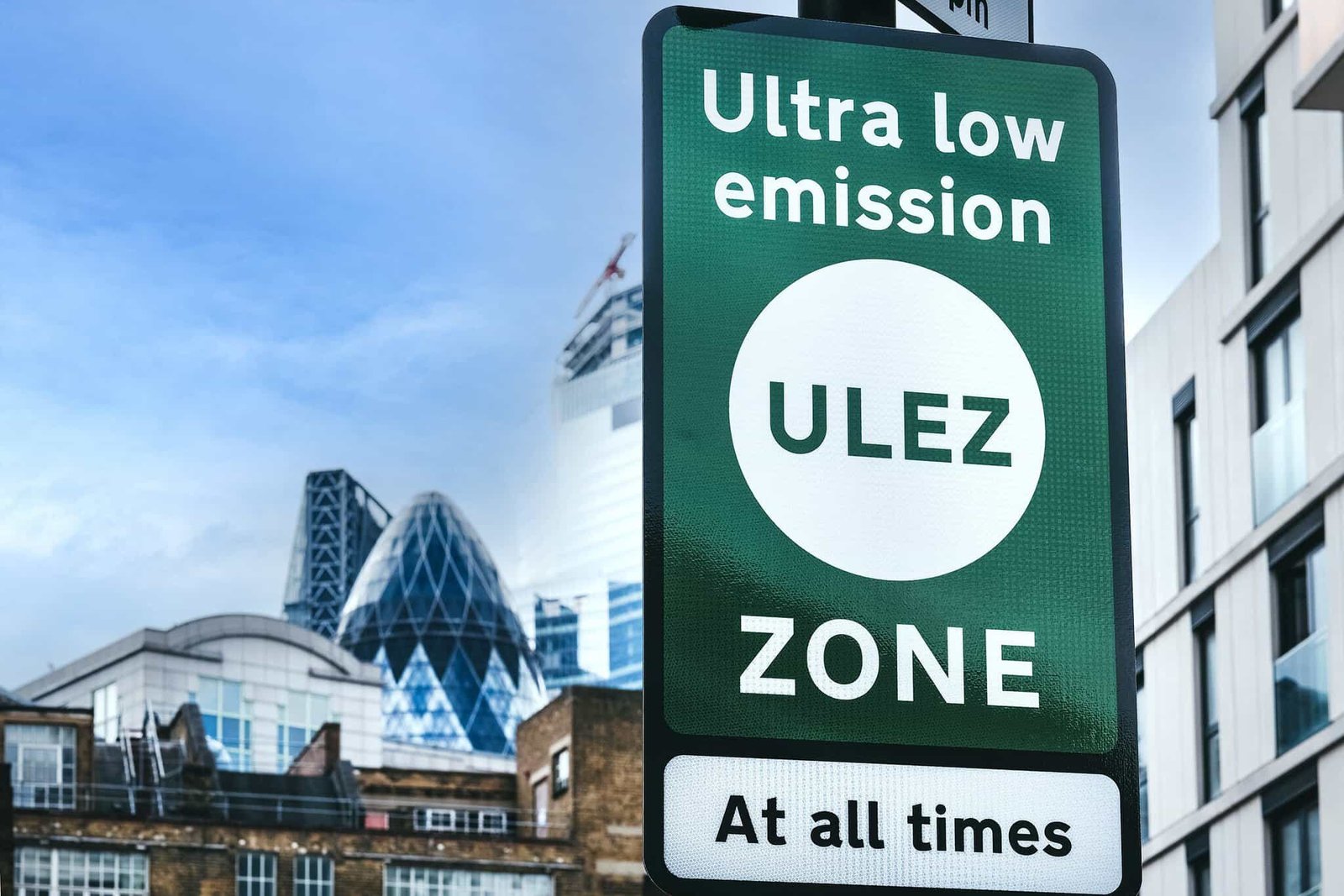
    In a bid to purify London’s air, the Ultra Low Emission Zone (ULEZ) is set to extend its reach across all London boroughs starting August 29, 2023.

    Contents:

    • The Scope of the Extended ULEZ Area
    • ULEZ Expansion Map
    • Notable Changes in the ULEZ Charge
    • Who is Obligated to Pay the ULEZ Fee?
    • What are the ULEZ emission benchmarks?
    • What’s the course of action if your car loses ULEZ compliance?

    The Scope of the Extended ULEZ Area

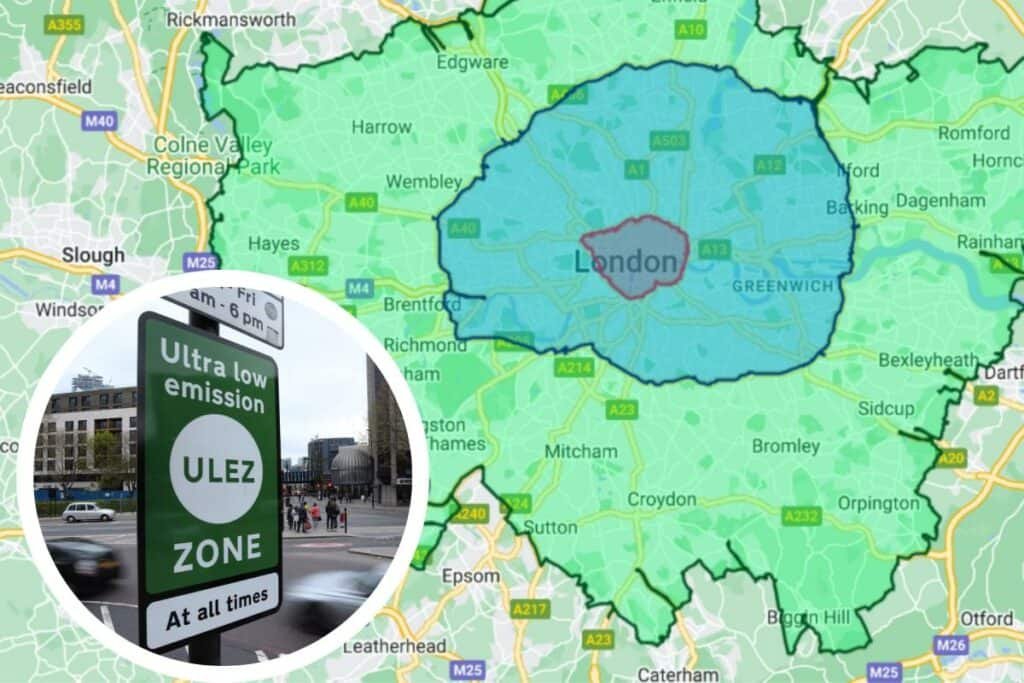
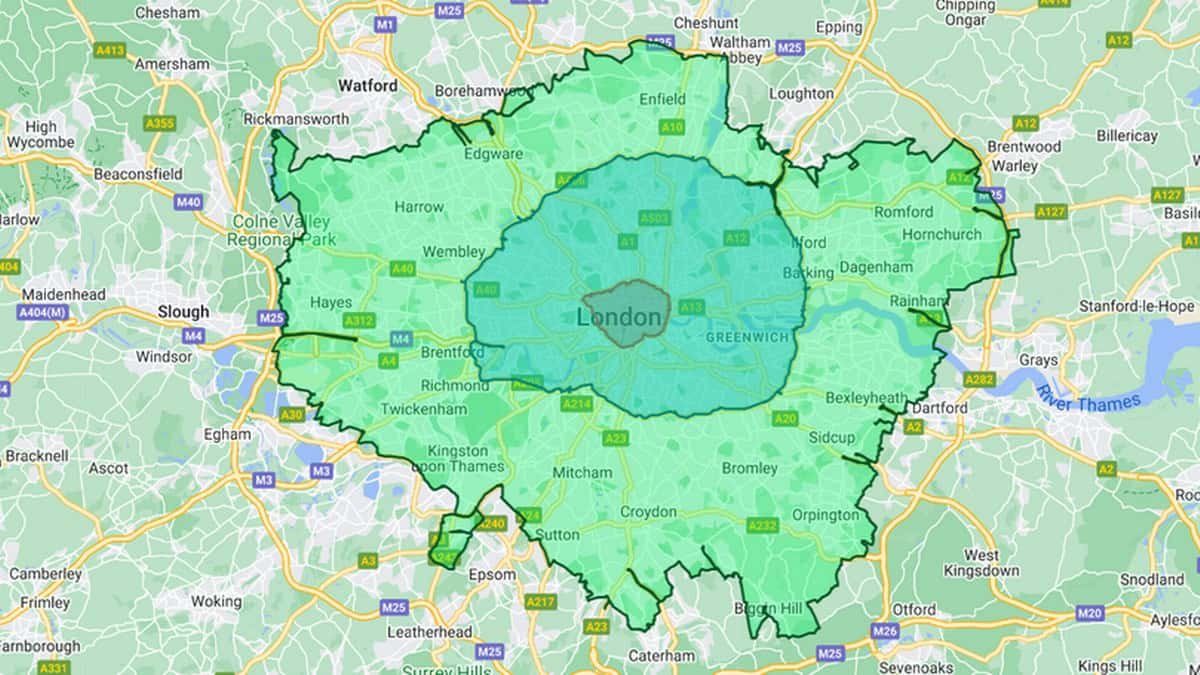
    At present, the ULEZ encompasses regions within the perimeters of the North Circular Road (A406) and South Circular Road (A205).

    Commencing from August 29, 2023, the ULEZ scope will encompass all 33 boroughs of Greater London, with certain areas extending to the borders of the M25.

    ULEZ Expansion Map

    Notable Changes in the ULEZ Charge

    The penalty charge for non-payment of the ULEZ charge will increase from £160 to £180 (£90 if settled within 14 days).

    The daily £12.50 charge required and the emission standards for exemption from ULEZ charge payment remain unaltered.

    Who is Obligated to Pay the ULEZ Fee?

    Any individual operating a vehicle not conforming to the ULEZ emission standards within the extended regions, commencing August 29, 2023, must remit the daily £12.50 ULEZ charge. This includes ULEZ residents.

    Payment isn’t requisite if your car remains parked within the ULEZ boundaries and isn’t driven.

    The ULEZ charge applies ceaselessly, 24/7, throughout the year, except on Christmas Day (December 25th).

    What are the ULEZ emission benchmarks?

    For exemption from ULEZ charges, your car must adhere to the following emission standards:

    • Petrol cars (including hybrids) – Euro 4 or higher
    • Diesel cars (including diesel-hybrids) – Euro 6 or higher

    A general guideline is that if your petrol car was manufactured post-January 2006, it’s likely ULEZ-compliant. Similarly, if your diesel car was produced post-September 2016, it probably adheres to ULEZ standards.

    HINT: Plug-in hybrids and fully-electric cars meet ULEZ emission criteria and are exempt from ULEZ charges.

    See if your car is ULEZ-compliant

    What’s the course of action if your car loses ULEZ compliance?

    As an Uber driver, consistently paying £87.50 weekly without compensation can strain your finances when driving a non-compliant vehicle.

    The positive news is that the transition to an electric vehicle, entirely absolved from ULEZ and Congestion Charge expenses, is now more economically viable than ever.

  • Renewing Your London PCO Licence in 2023

    Renewing Your London PCO Licence in 2023


    For rideshare drivers, maintaining a valid PCO licence is essential for their role. Therefore, understanding its expiration date and the replacement process is crucial.

    Discover comprehensive information on renewing your PCO licence

    Contents:

    • When is the optimal time for PCO licence renewal, and what’s the Expected duration of the process?
    • How Can I proceed with renewing my PCO licence?
    • What are the Expenses associated with renewing my PCO Licence?
    • What if I delay renewing my PCO licence?

    When is the optimal time for PCO licence renewal, and what’s the expected duration of the process?

    Your PCO licence remains valid for three years from its issuance date. To ensure a seamless renewal, initiate the paperwork well in advance of your existing licence’s expiry.

    FUN FACT: TfL now dispatches all application packs approximately four months ahead of the expiry date.

    How can I proceed with renewing my PCO licence?

    Given your prior experience during the initial PCO licence application, you’ll likely find the renewal process familiar. The good news is that renewing involves fewer complexities and paperwork.

    Here’s the 2023 step-by-step guide for renewing your PCO licence:

    1. Submit Renewal Pack Forms to TfL:

    TfL will dispatch a renewal pack to you about four months before your licence expires. This pack includes forms for you to sign and return.

    2. Apply for a DBS Check:

    A fresh enhanced criminal records check from the Disclosure and Barring Service (DBS) is required. Be sure to declare any identity variations appearing on your official identification documents.

    NOTE: DBS checks remain valid for three months, so timing is crucial.

    Opting for the £13 DBS update service enables you to keep your certificate current, streamlining renewals and preventing delays.

    3. Undergo a Medical Examination:

    Proving your medical fitness for licence renewal entails meeting Group 2 DVLA standards. Obtain and complete the TPH/204 medical form, then visit your General Practitioner for verification.

    4. Provide a Recent Photograph:

    Supply a recent photograph adhering to the specified photo standards.

    5. Complete Safeguarding Awareness Training: 

    Participate in the online Safeguarding Awareness training course, mandatory for both new and existing drivers. This course addresses safeguarding vulnerable individuals from harm and abuse.

    6. Address Missing Documents from Prior Application:

    TfL revised and introduced new documents and regulations for the PCO licence application. If these haven’t been previously submitted, you’ll need to:

    • Validate your right to work in the UK through the Right to Work check.
    • Register with HMRC and complete a tax check using your Government Gateway ID and password.
    • If you used a language certification for proof, take the TfL English test, as mandated since October 21st, 2021.

    7. Settle the Fee:

    A £170 fee is necessary to process your renewal application.

    REMINDER: Ensure your old licence is returned within seven days of its expiration.

    What are the expenses associated with renewing my PCO licence?

    The costs of renewing your PCO licence can vary. Here’s an outline of the anticipated expenses for each stage.

    PCO licence renewal fees PCO licence renewal fees
    Licence application fee £170
    DBS Check £52 (online) / £54 (paper)
    Medical exam ~£80 (or set by your G.P.)
    Post Office® Check and Send £7.15 (unless paid via credit/debit card)
    English test (SERU assessment/Speaking and listening assessment) £36/£36

    Renewing your PCO licence involves an approximate cost of £380, provided you need to undergo the English test and choose to apply through the Post Office. For a more streamlined process and a £10 cost reduction, consider submitting your application online through the TfL website after completing the registration.

    What if I delay renewing my PCO licence?

    Failing to renew your PCO licence on time can have legal consequences. Driving with an expired PCO licence is against the law, so it’s crucial to initiate the renewal application well in advance.

    Should you send the renewal documents to TfL after your licence has already expired, you won’t hold a valid licence. In this scenario, you’ll face approximately six weeks of waiting before receiving your new PCO licence, during which you won’t be able to engage in rideshare driving.

    VITAL NOTE: Neglecting to apply for PCO licence renewal within three months following the previous licence’s expiration will result in your removal from TfL’s system. Consequently, you’ll be treated as a new applicant and required to reinitiate the initial application process.

  • 5 key Transformations PHV Drivers in 2023

    5 key Transformations PHV Drivers in 2023

    5 Changes Awaiting PHV Drivers in 2023

    We’ve compiled a list of five upcoming changes in 2023 that PHV drivers in London should be aware of. These changes are a combination of updates by Transport for London, the DVLA, and the government.

    1. Zero Emission Capable (ZEC) Vehicles

    Starting from January 1, 2023, TfL will require Private Hire Vehicle licensing to be exclusive to Zero Emission Capable vehicles. To obtain a new license for private hire purposes, the vehicle must meet ZEC criteria. Vehicles without ZEC capability and no previous Private Hire Vehicle License will no longer qualify for licensing as private hire vehicles in London.

    To comply with ZEC standards, vehicles must:

    * Emit a maximum of 50g/km CO2 and have the ability to operate with zero exhaust emissions for a minimum range of 10 miles.

    * Emit a maximum of 75g/km CO2 exhaust emissions and have the ability to operate with zero emissions for a minimum range of 20 miles.

    2. Expansion of 20mph Speed Limit Roads in London

    Transport for London will increase the number of roads with a 20mph speed limit in the boroughs of Tower Hamlets, Hackney, Islington, Haringey, and Camden. Private Hire Drivers spend significant time on the road, so being aware of these changes is crucial to avoid penalties for speeding.

    Here are some of the roads that will have the new 20mph speed limit, expected to take effect from around February 2023:

    * Seven Sisters Road A503

    * City Road A501

    * Finchley Road A41

    * Holloway Road A1

    * Kingsland Road A10

    * Mile End Road A11

    * The Highway A1203

    3. ULEZ Expansion

    Starting from August 29, 2023, the Ultra-Low Emission Zone (ULEZ) expansion will encompass all London boroughs. Drivers with vehicles that do not meet ULEZ requirements and drive within any London borough will be subject to a daily charge of £12.50.

    There is a longer grace period for wheelchair-accessible Private Hire Vehicles. They will be allowed to continue driving within the Ultra-Low Emission Zone until October 24, 2027.

    ulez-expansion-zone

    4. Fuel Duty Increase in 2023

    PHV drivers will face the impact of the cost-of-living crisis in 2023, with fuel prices set to rise again in March. In March 2022, the government temporarily reduced fuel duty by 5p per litre. However, drivers may experience fuel price hikes of up to 12p per litre.

    5. First SERU Assessment Deadline

    There are two significant dates related to SERU assessments for Private Hire Drivers in 2023. Starting from April 1, 2023, new PHV driving license applicants must complete the TfL SERU assessment and the Speaking & Listening test before receiving their Private Hire Driver’s License.

    September 30, 2023, serves as the SERU assessment deadline for Private Hire drivers who were licensed before September 30, 2021, and did not submit their evidence for the English Language Requirement. Drivers falling into this category will also need to complete the TfL Speaking & Listening test.

    To see all the relevant deadlines, click here.

  • TfL’s ULEZ Scrappage Scheme for 2023

    TfL’s ULEZ Scrappage Scheme for 2023

    The Mayor of London is introducing a scrappage grant to assist London drivers in preparing for the upcoming ULEZ expansion, set to be implemented on 29 August 2023.

    We have compiled essential information to help you determine your eligibility for the TfL scrappage scheme in 2023.

    Who qualifies for the TfL Scrappage Scheme 2023?

    1. Your vehicle, which you intend to scrap, must not meet the current ULEZ emission standards (i.e., it would require you to pay the ULEZ charge).
    2. The registered keeper of the vehicle can be either you or someone living with you.
    3. You must reside within one of the 33 London boroughs.
    4. You must be receiving one or more of the following benefits in the list below.

    Here is a comprehensive list of the 33 London Boroughs:

    1. City of London
    2. City of Westminster
    3. Kensington & Chelsea
    4. Hammersmith & Fulham
    5. Wandsworth
    6. Lambeth
    7. Southwark
    8. Tower Hamlets
    9. Hackney
    10. Islington
    11. Camden
    12. Brent
    13. Ealing
    14. Hounslow
    15. Richmond upon Thames
    16. Kingston upon Thames
    17. Merton
    18. Sutton
    19. Croydon
    20. Bromley
    21. Lewisham
    22. Greenwich
    23. Bexley
    24. Havering
    25. Barking & Dagenham
    26. Redbridge
    27. Newham
    28. Waltham Forest
    29. Haringey
    30. Enfield
    31. Brent
    32. Harrow
    33. Hillingdon

    Full benefits list:

    • a. Universal Credit
    • b. Armed Forces Independence Payment
    • c. Attendance Allowance
    • d. Carer’s Allowance
    • e. Child Tax Credit
    • f. Constant Attendance Allowance
    • g. Disability Living Allowance
    • h. Employment and Support Allowance
    • i. Housing Benefit
    • j. Income Support
    • k. Industrial Injuries Disablement Benefit
    • l. Jobseeker’s Allowance
    • m. Pension Credit
    • n. Personal Independence Payment
    • o. Severe Disablement Allowance
    • p. War Pensioner’s Mobility Supplement
    • q. Working Tax Credit

    Additionally, there has been an observed increase in private hire vehicle licenses since 2021, potentially attributed to the upcoming electric vehicle requirement in 2023. Many drivers have chosen to license their existing vehicles ahead of time to avoid the new rule, which mandates that only zero-emission capable vehicles can be licensed by TfL for private hire purposes.

    How much Tfl is going to pay for scrapping vehicle?

    • Car – £2,000
    • Motorcycle – £1,000
    • Wheelchair Accessible Vehicle – £5,000

    Other Options for the TfL Scrappage Scheme 2023:

    Scrap a Car: Receive £1,600 and a 1 Adult Annual Bus & Tram Pass.

    Scrap a Car: Receive £1,200 and 2 Adult Annual Bus & Tram Passes.

    Scrap a Motorcycle: Receive £600 and a 1 Adult Bus & Tram Pass.

    Scrap a Motorcycle: Receive £200 and 2 Adult Bus & Tram Passes.

    Retrofit a wheelchair accessible van: Pay £5,000 to modify the vehicle to meet the required emission standards.

    What does “Retrofit” mean?

    Retrofitting refers to making modifications to a vehicle to ensure it meets the necessary emission standards for ULEZ compliance. Various companies offer this service, and you can find them online.

    Which vehicles are eligible for the TfL scrappage scheme 2023?

    The scheme is open to cars, vans, and motorcycles that currently do not meet TfL’s emission standards for the Ultra Low Emission Zone (ULEZ).

    How can I apply for the TfL scrappage scheme?

    To apply, you need to create a London Road User Charging (RUC) account on the TfL website.

    Register the account in the name of the benefit recipient and ensure the address matches the proof of benefit provided. You will also need a valid email address. The application form takes approximately 30 minutes to complete.

    Documents required for the TfL scrappage scheme 2023:

    1. Recent benefit award letter (not older than 12 months) or Universal Credit Statement.
    2. If the benefit proof doesn’t include your address, submit a copy of your driving licence or a bank statement/utility bill dated within the last 3 months.
    3. Photo ID (Passport or Driving Licence).
    4. V5C Logbook.
    5. Valid vehicle insurance certificate.

    Additional documents for Wheelchair Accessible Vehicles:

    1. If you are scrapping a wheelchair accessible vehicle, you need to provide: One image of the vehicle’s permanent conversion for wheelchair access. One image of the wheelchair securing system.

    2. If the vehicle is adapted for wheelchair use, provide two images of the swivel seat (facing forwards and sideways) or two images of the hydraulic or electronic hoist system (one installed and one permanently attached).

    After submitting your application and receiving acceptance from TfL (which can take up to 10 working days), you must book an appointment at an Authorized Treatment Facility (ATF) within 1 month. The ATF will scrap your vehicle and provide a Certificate of Destruction. You need to submit evidence of the scrapping or retrofitting to TfL, and the grant payment will be sent to you via cheque to the address on your application.

    To get started, you need to create a London Road User charging account via this link.

    More information and instructions can be found here.